For some time, it’s been clear that the impact of Covid-19 wouldn’t be evenly felt, and fears that some people would be more at risk because of the job they do, underlying health conditions or age group, and while much of that was covered by government early in to the lockdown, for instance by insisting on high risk groups isolating, some would take time to prove.
With the impact on care homes evident for all to see it was a failure too far that the government failed to give them the protection residents and staff needed, and it still isn’t right in many places even now.
Then we see the occupational impact which highlighted that people who were in most contact with the public would be most at risk; it sounds obvious but even today the government are failing to give key frontline workers the protection, testing and support they need.
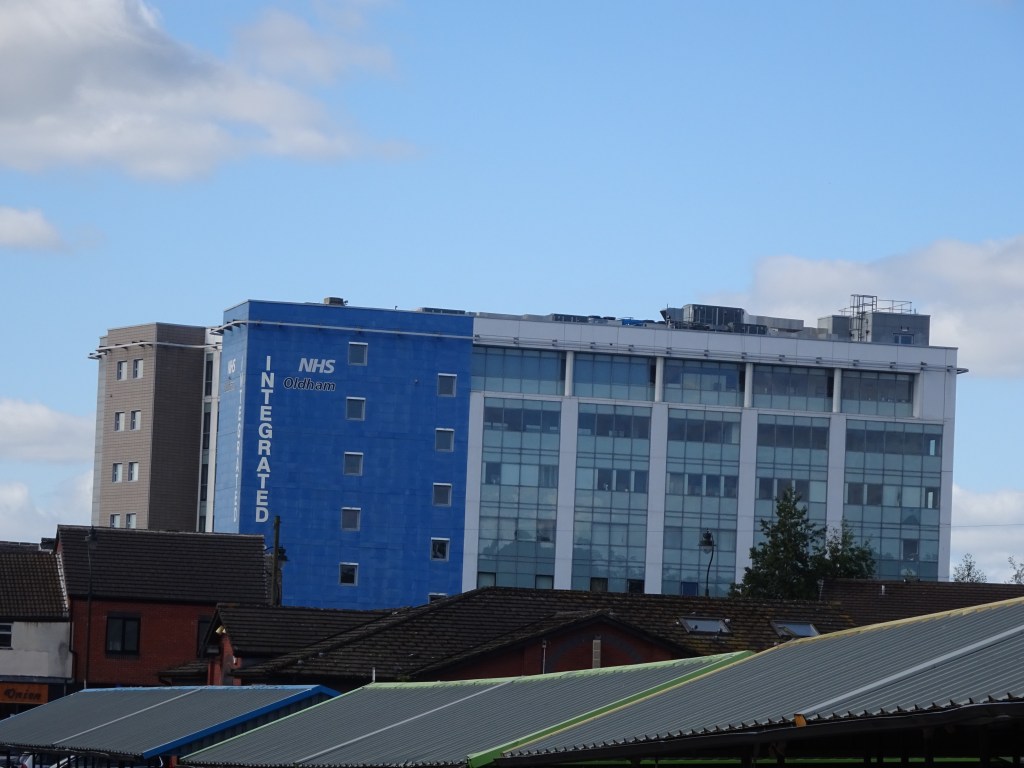
Today Public Health England released a report on the inequalities of risk and outcomes of COVID-19. What the report shows is that for a number of reasons this disease does not treat us equally and that has profound consequences for many of us here in Oldham. The report confirms much of what we already thought, but it is noticeably silent on how we reduce the disparities it identifies. Having this information confirmed to us is an important start, but now is the time for action.
The biggest difference that the report found was in age inequalities, people who are 80 and older are seventy times more likely to die after contracting coronavirus than those under 40. Which just goes to show how important it is that we refrain from visiting our elderly parents, grandparents and friends at the moment as hard as it may be. Until the virus is properly under control, we cannot risk putting the people we love and care about at such a risk.
Data from Public Health England’s report also shows that nationally we’ve had more than twice the number of deaths in care homes than is to be expected, worryingly though just under half of the excess care home deaths have been attributed to COVID-19. Which either means there have been many excess deaths from other causes or that care homes are under-reporting the number of COVID related deaths. It may well be some time after this pandemic before we finally learn the true toll this disease has taken on our communities.
We already knew that this disease did not treat us as equals, but now we know that the mortality rate in the most deprived areas – like Oldham – is double that of the least deprived areas in the country. The survival rate in confirmed COVID cases in the most deprived areas are lower and these poor outcomes remain after adjusting for ethnicity too.
The truth is that if you’re a taxi driver living in Oldham and of Bangladeshi background you are several times more likely to be at risk than the general population, and that’s not right. We’ve also seen a constant list of frontline workers, for instance in the NHS and working in social care who have been directly affected, behind all of those numbers are families suffering.
We must also use this to trust our own instinct and judgement too. We knew those working in high risk occupations, living in overcrowded accommodation, and those in care home settings were at greatest risk but despite calls from local councils, charities and MPs action from Government didn’t follow. As the lockdown is eased more and more people are potentially at risk if we fail to provide the support and protection we know will make a difference.
 Jim McMahon OBE MP