Labour Party Conference 2026

A whirlwind few days in Liverpool for this year’s fantastic Labour Party Conference, with a real focus on how we turn Labour’s ambitions into delivery on the ground.
I joined the National Policy Forum, the LGA, the Co-op Party, Core Cities UK, DevoAgency and a range of fringe events, joining members, councillors and mayors to discuss how we can give communities a greater say, support local economies and make sure growth delivers for people and places across the country.
I was delighted that conference was kickstarted with an announcement I’ve been working on with the team: a new £210m community fund, which included £125m to tackle derelict buildings blighting communities; £65m for community ownership of important local assets such as pubs, shops, community and sporting venues; £10m for High Street Rental Auctions to bring empty shops back into use; and a new flagship £10m co-operative development fund to support new co-ops and mutual businesses, so we build the demand and sustainability as well as securing the buildings they use.
The Prime Minister’s speech set out a clear vision for the country and the challenges we need to tackle together, including some of the biggest issues left unaddressed for too long, like the threadbare social care system, which is in urgent need of reform and respect. It was obvious this was a lifetime’s work coming full circle. It was some speech!
And on a personal note, Joe Fortune has been an amazing General Secretary of the Co-op Party, and I thank him for his years of service to us and the wider movement. It was great to see him at conference officially take up his role as Labour’s new General Secretary, and I know he will do an excellent job.
I will post the main announcements in a separate post, there were many important policies aimed at making life better for working people and strengthening local communities.
Death of Peter Dean
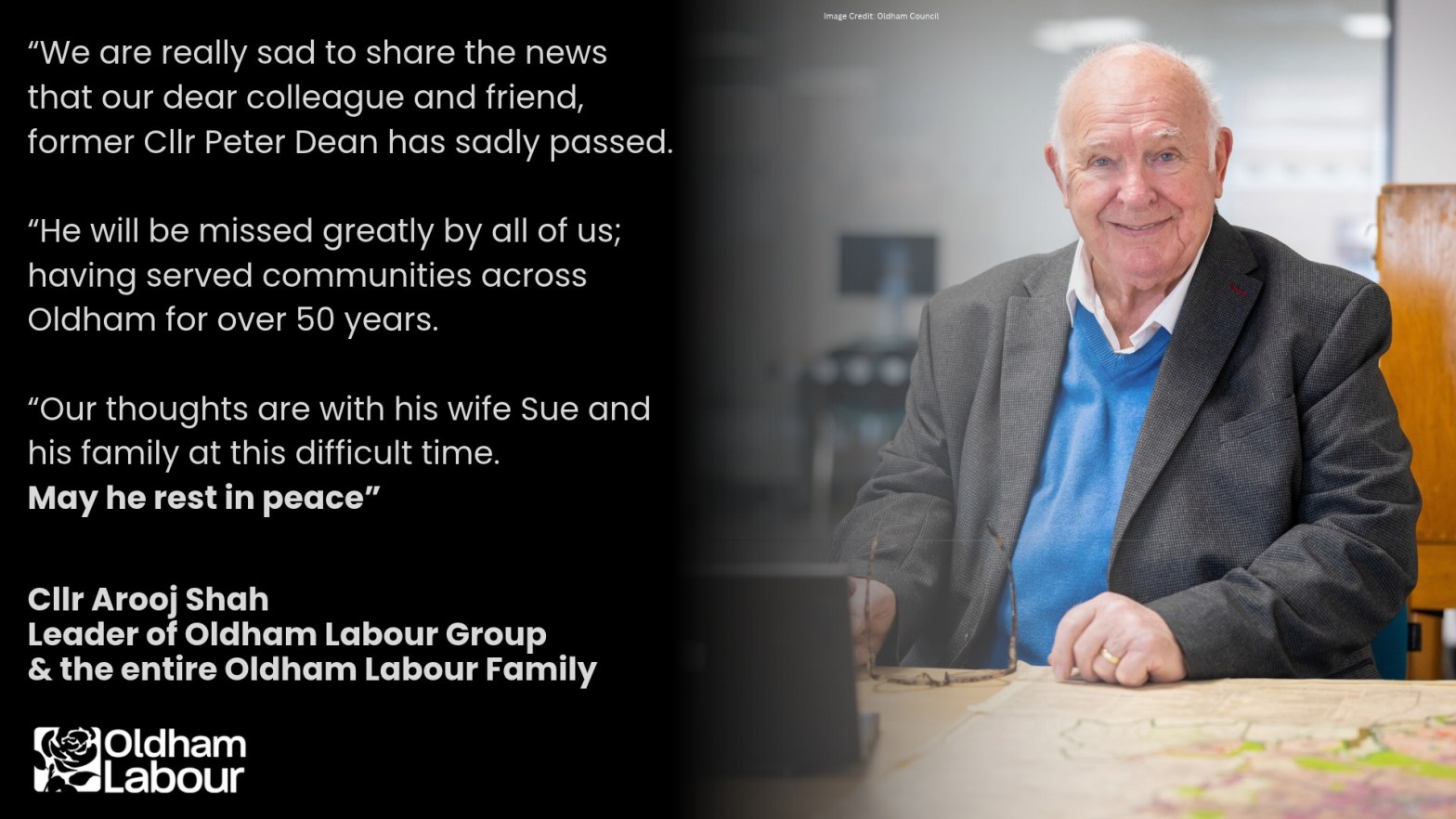
I am deeply sorry to hear of the passing of Peter Dean. He served the borough as a councillor for decades and I had the privilege of working closely with him when we were both councillors in Failsworth, doing many good things including the refurbishment of Failsworth Pole Gardens and many other projects. He served as a cabinet member covering housing and communities, he always rallied for community power and involvement in everything in he did.
From being a former firefighter, to working for the late Michael Meacher too, his life was centred on public service.
He was also one of the nicest people you could have met.
My thoughts are with Susan, Alison and his wider family and friends.
This week in government
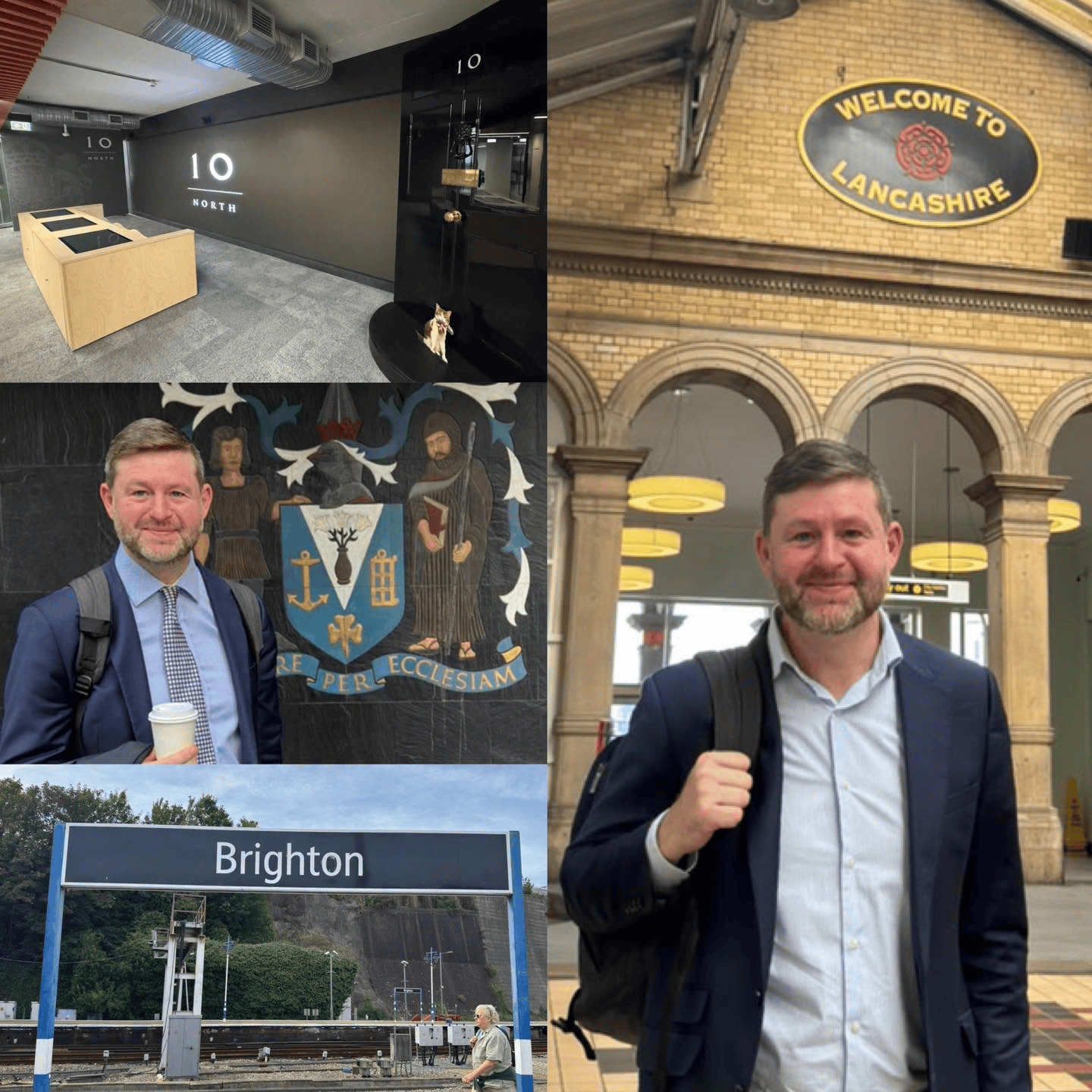
Despite Parliament being in recess for the Party Conference season, its been busy as a Minister travelling across the country. Here’s what I’ve been up to this week 
 𝗗𝗲𝘃𝗼𝗹𝘂𝘁𝗶𝗼𝗻 𝗶𝗻 𝗟𝗮𝗻𝗰𝗮𝘀𝗵𝗶𝗿𝗲
I started up in Preston to meet with the district council, county council & combined authority leaders. We had a really useful discussion about the next steps for devolution in Lancashire and how we can make sure greater decision-making powers and resources are brought closer to the communities they serve.
 𝗖𝗼𝘂𝗻𝘁𝘆 𝗖𝗼𝘂𝗻𝗰𝗶𝗹 𝗡𝗲𝘁𝘄𝗼𝗿𝗸
I also had the opportunity to speak at the County Council Network AGM, discussing the role of county councils and the importance of giving local government the powers and resources it needs to deliver for communities. There’s a huge amount of change happening across local government and working closely with council leaders will be vital as we take forward our reform & devolution agenda.
 𝗗𝗲𝘃𝗼𝗹𝘂𝘁𝗶𝗼𝗻 𝗶𝗻 𝗘𝘀𝘀𝗲𝘅
I then headed to Southend to meet with the leaders across Essex to discuss their place on the Devolution Priority Programme. It was good to hear directly from local leaders about their ambitions and priorities, and how devolution can help give communities a stronger voice over the decisions that affect them.
 𝗗𝗲𝘃𝗼𝗹𝘂𝘁𝗶𝗼𝗻 𝗶𝗻 𝗦𝘂𝘀𝘀𝗲𝘅
Later, it was down to Brighton to meet leaders from across Sussex. We discussed their place on the Devolution Priority Programme and the opportunities that greater local decision-making can bring for communities across Sussex. The principle remains simple: decisions should be made as close as possible to the people they affect, with local leaders given the powers and responsibility to get on with the job.
 𝗕𝗮𝗰𝗸 𝗮𝘁 𝗡𝗼. 𝟭𝟬 𝗡𝗼𝗿𝘁𝗵
I spent time working from No. 10 North in Manchester this week, bringing together work around government and the North. I attended in the National Economic Council meeting while there with the Prime Minister, looking at the wider economic priorities for the country and making sure the perspectives and priorities of communities across the North are part of those conversations.
 𝐂𝐨-𝐨𝐩 𝐏𝐚𝐫𝐭𝐲
We’ve also begun the process of preparing for the departure of General Secretary Joe Fortune as he is due to take his new position at the Labour Party. He will be great for them as he was for us. As Chair of the Co-op Party I’m working with the NEC to recruit for a new General Secretary in what is a hugely exciting time for our movement. Watch out next week for more information.
And this week we’ve announced a fantastic £210m package of support for community ownership and cooperatives – which I’ll post about separately. A lot do work has gone into it and I’m very excited by the potential it has!
I’ll be heading to Liverpool for this year’s Labour Party Conference, but before that I ended the week back in Oldham for advice surgeries, meeting with constituents and then local party members.
Long Lane HMO proposal refused
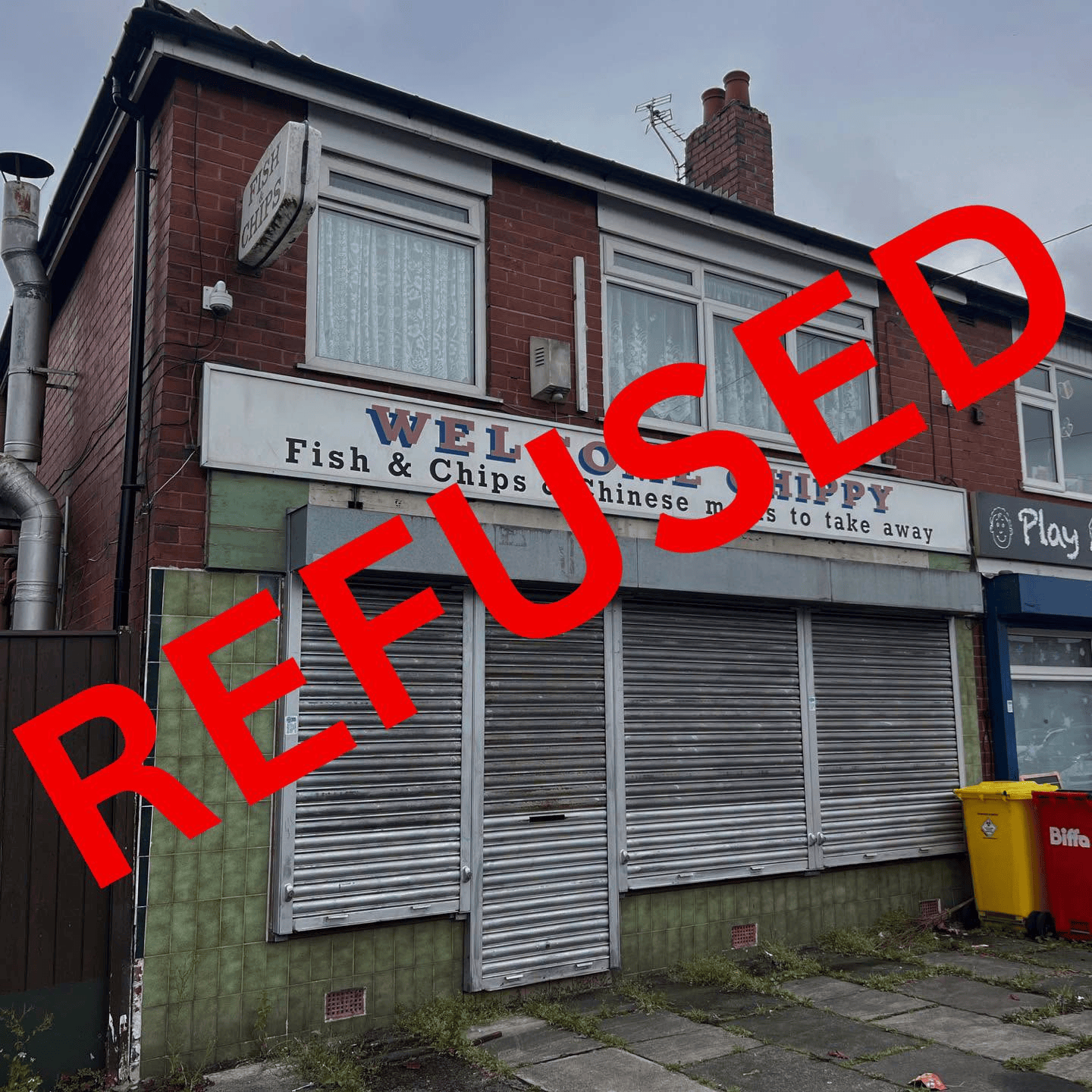
It is extremely welcome that the proposed seven-bedroom House of Multiple Occupancy (HMO) on Long Lane in Chadderton has been refused by Oldham Council’s Planning Committee.
I wrote to the Council in August setting out my concerns about this application, including: the impact on the character of the area, neighbouring amenity, parking and highway safety; the relationship with the adjoining nursery; the quality of accommodation proposed; and the loss of an established commercial premises on a purpose built parade.
There is understandable local concern on the growth and concentration of HMOs across the borough, and it’s obvious the register of HMOs barely scratches the surface of the real number.
The Committee has now refused the application on highway safety grounds.
Thanks to Councillor Graham Shuttleworth and others who spoke against the application.
New vocational GCSE options are on their way
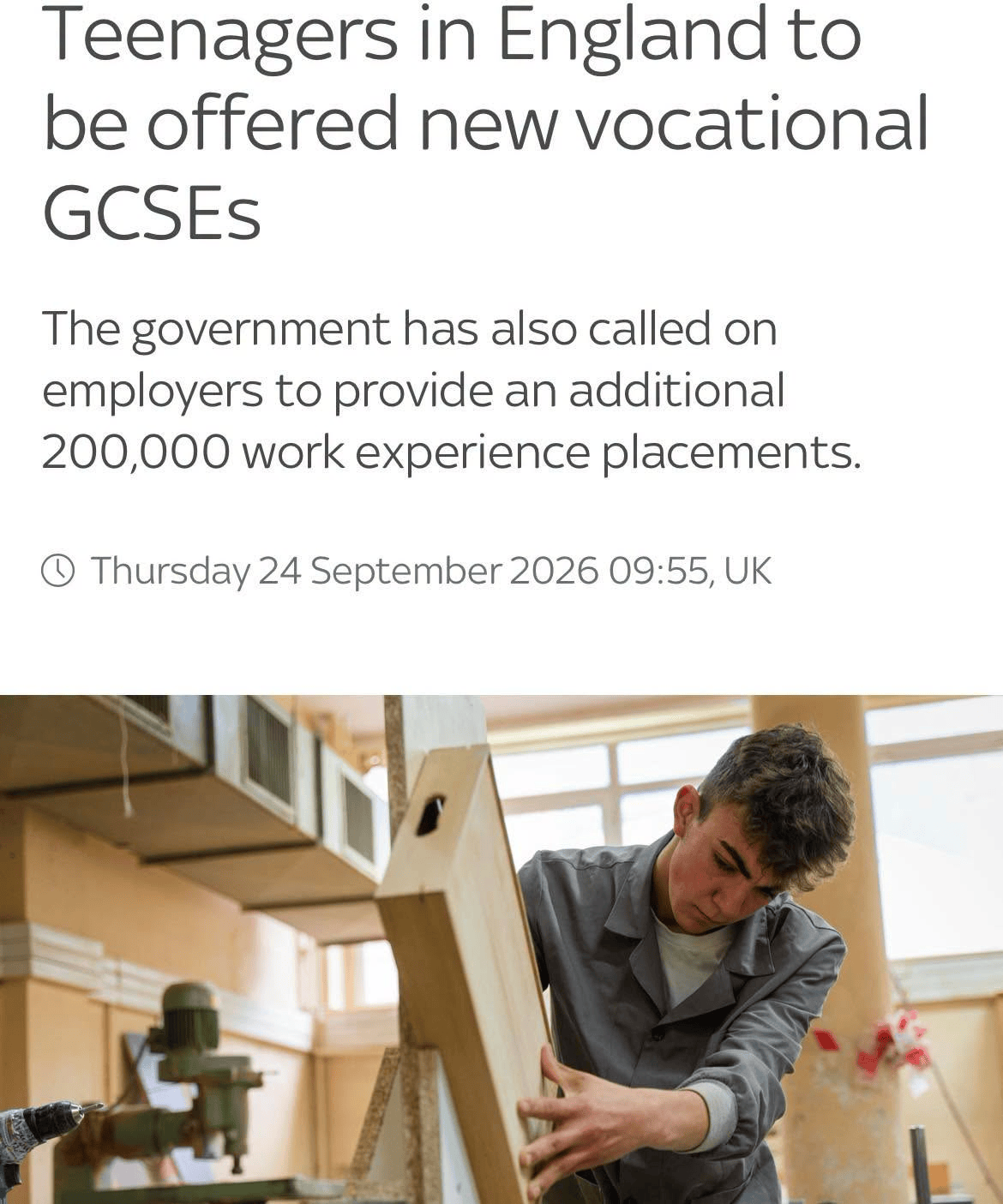
Very pleased to see the Government bringing forward new vocational GCSE options, this is a really important step towards putting technical and academic education on an equal footing.
These will give young people more opportunities to develop practical skills and create clear routes into apprenticeships, T Levels and further study.
I know how important that can be. I left school at 16 and became an apprentice technician, and that practical route gave me the skills and experience to build a career.
It matters for Oldham too. We need to give young people the skills of the future, tackle youth unemployment, and make sure our local economy has the workforce it needs to grow.
That is why I’ll keep pushing for wider reform of the system including more devolution of skills and for apprenticeship vacancies to line up with when young people actually leave school.
More to do, but this is a meaningful step in the right direction.
https://news.sky.com/story/teenagers-in-england-to-be-offered-new-vocational-gcses-13591233
Community power driving clean power …
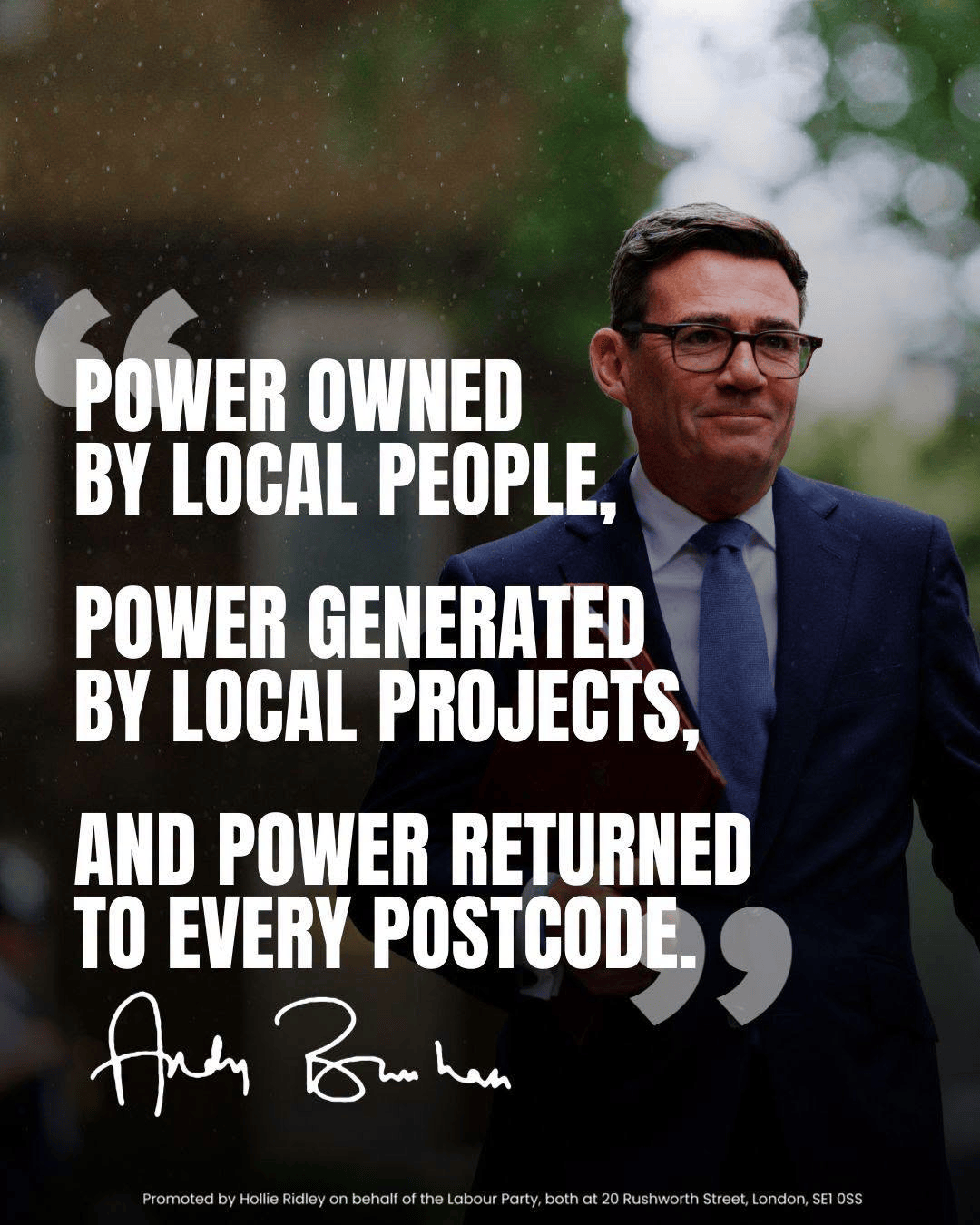
Clean energy should mean lower bills, good jobs and stronger communities. Great British Energy’s nearly £30 million fund to support more than 1,000 community energy projects across the UK is this in action.
The Co-operative Party has championed the community ownership of energy.
Oldham is already showing what is possible, with Wrigley Head Solar Farm putting unused council land to work generating clean energy while improving the local environment.
With this scheme in place we can go further.
A common-sense change for rail passengers
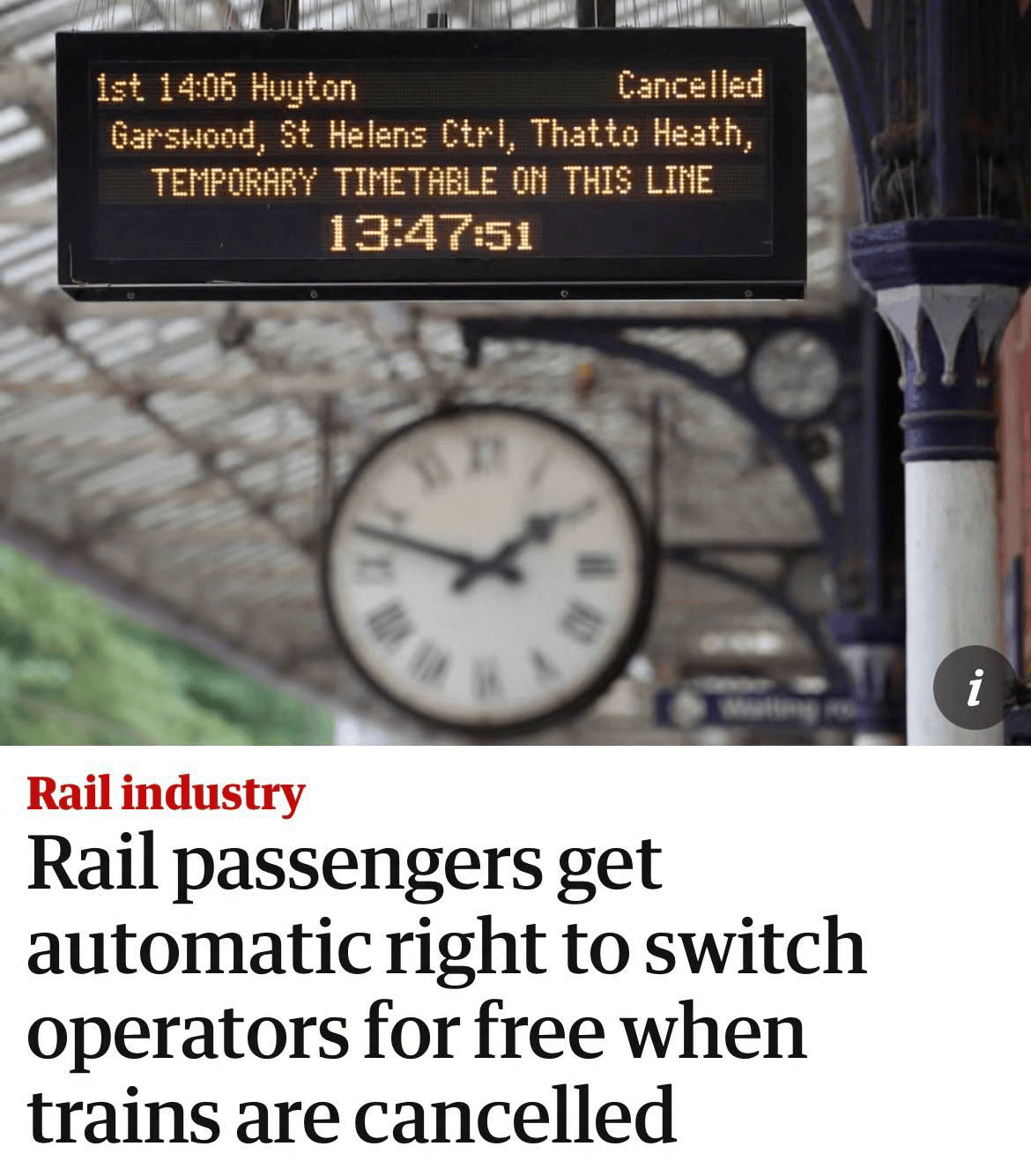
Finally common sense for train users. Now if your train is cancelled, you’ll automatically be able to use another operator’s service without paying again.
No more being stranded because your ticket is tied to one company or having to buy another ticket and fight for a refund.
It’s exactly the sort of small but frustrating problem that can make a real difference to people’s everyday lives and tackling these practical problems is something the new government has rightly put a focus on. Whether it’s making subscriptions easier to cancel or tackling misleading discounts, it’s about getting the basics right.
We’re already making public transport ticketing seamless and easy here in Greater Manchester.
Bee Network buses already have a £2 single hopper fare so you can get on as any buses as you need in an hour across the city-region for that price and trams are in the network too already so you can tap in and tap out across buses and trams and will be charged the cheapest fare. By 2028, services at Moston and Mills Hill are set to join the Bee Network too bringing buses, trains, trams and cycle routes together in one integrated, publicly controlled system.
That means simpler journeys, better connections and a transport network designed around the people who use it every day.

