Eight years on from the Manchester Arena Attack

Our thoughts are with the victims of the Manchester Arena attack and their loved ones still grieving this cruel loss.

Today we remember the 22, including Alison Howe and Lisa Lees from Royton, two mums who who were collecting their daughters from the concert and never came home to their families.

We also pay respect today to Royal Fusilier Lee Rigby, 12 years on from the terror attack in which he was killed, leaving behind a young son.

We can never forget where extremism leads, or the very real hatred which fuels it. Acts of terror like these were designed to drive us apart – but they did not succeed.

Greater Manchester responded to the heinous and horrific arena attack with huge strength and courage, and ever since has shown love, compassion, and unity against the attack which attempted to cause fear, hatred, and division.

As Jo Cox said: we are far more united and have far more in common with each other than things that divide us. ❤️

My thoughts as always at this time of year are with the all those affected.

Bringing Exam Results into the 21st Century – Right Here in Oldham!

This summer, thousands of students across Greater Manchester – including right here in Oldham – will be the first in the country to receive their GCSE results through a brand-new digital app.

The app stores qualifications and learning history all in one secure place, making it quicker and easier for young people to apply for jobs, apprenticeships, or further education. It’s a simple change that unlocks big opportunities.

Schools in Oldham invited to take part include:

🎯North Chadderton School

🎯The Radclyffe School

🎯Blessed John Henry Newman Roman Catholic College

🎯The Hathershaw College

🎯Oasis Academy Oldham

🎯The Brian Clarke Church of England Academy

🎯E-ACT The Oldham Academy North

🎯The Springboard Project

But this isn’t just about helping students take their next steps. It’s about making life easier for our teachers and school staff too. This new digital system is set to save up to £30 million a year in admin costs across the country – money that can be reinvested into schools to support staff, improve buildings, and strengthen education where it’s needed most.

By embracing smart technology like this, we’re cutting paperwork, reducing hassle for parents, and freeing up time for teachers to do what they do best – teach. It’s all part of our Plan for Change to modernise public services and make them work better for people in Oldham and across the country.

Easy access for students. Less admin for schools. Better value for taxpayers. A 21st-century solution for a 21st-century education system.

Bringing Holy Rosary Church back into Community Use

Over the years, the Holy Rosary Church on Fitton Hill has stood as more than just bricks and mortar – it’s been a place where people came together, shared stories, supported one another, and built a strong sense of community.

Sadly, like too many community buildings in recent times, it’s been left unused for far too long. But it doesn’t have to stay that way.

There’s a real opportunity here to bring the Holy Rosary Church back into use – not just as a place of worship, but as a hub for local groups, youth activities, wellbeing support, and services that matter to local people on Fitton Hill.

We’ve got incredible community spirit in Oldham. If we can come together – residents, local organisations, and the council – we can breathe new life into this space and make it work for the community once more.

If you’re part of a local group that could use a base, or if you’ve got ideas for how the building could serve the surrounding community once again, I want to hear from you.

Let’s not let another community asset go to waste. Let’s bring Holy Rosary back to life – for the people of our borough.

Weekly Ministerial Round-up

Began the week by catching up with Kim McGuiness, the Mayor of the North East, to discuss the brilliant work she is doing to pioneer devolution in the North and the ambitions she has going forward. Driving down child poverty, building affordable housing and supporting local businesses – the true power of devolution at play.

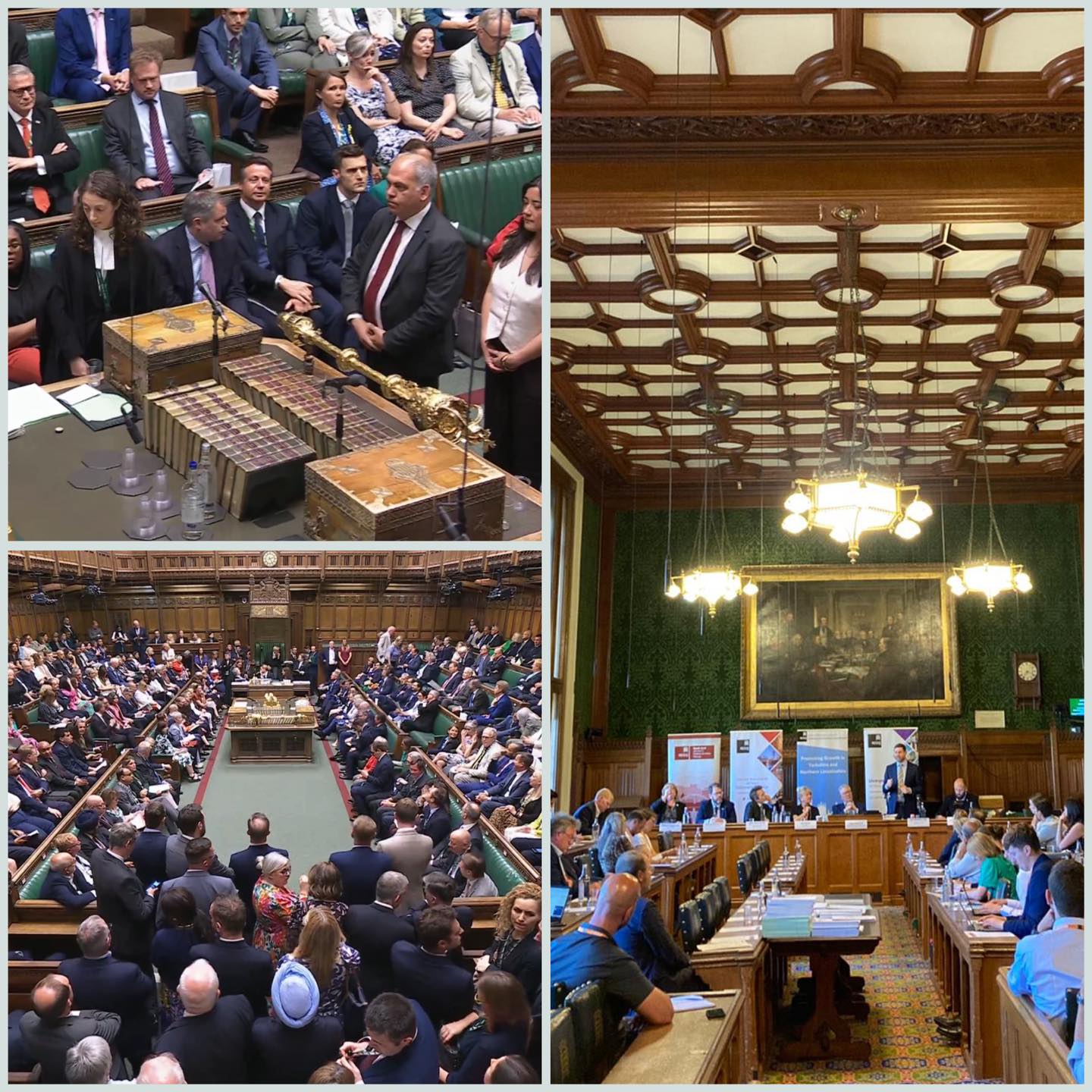
It was great to respond to a Westminster Hall Debate on Tuesday on the impact of churches and religious buildings on communities. I reflected on how these institutions are not just places of worship but also serve as vital community hubs through their involvement in various social action projects, such as food banks, community larders, and support services for individuals facing challenges like addiction and mental health issues.

As well as regular departmental meetings, this week I have taken a lot of political meetings with labour colleagues to discuss specific councils and how as parliamentarians we can support our areas and the frontline staff working tirelessly to deliver services. These meetings culminated in an MP surgery on Wednesday where I spoke to numerous MPs on issues ranging from adequately funding adult social care, recognising regionally specific issues and preferred geographies for devolution.

On Wednesday, for the first time ever, the Co-op party was invited to a meeting in No.10 Downing Street and it was great to be there as the chair of the party. The Co-op party’s ambition is to put co-operators at the decision table to be able to make meaningful change and grow the sector. This week we did just that. It was great to reflect on where the movement has come from, and also where it is going in collaboration with the Government to meet Labour’s manifesto commitment to double the size of the co-operative and mutuals sector.

Due to the vote on the Assisted Dying Bill, MPs remained in Parliament until Friday. This is an incredibly sensitive and deeply personal issue for many, and I want to thank all constituents who took the time to share their views with me. After much consideration and listening to a range of perspectives, I made the decision to vote against the Bill – as I have done previously. I understand the strength of feeling on both sides of the debate, but I personally believe we are not yet at a point to provide the robust safeguards that vulnerable people deserve at the end of their life.

Statement on the Terminally Ill Adults (End of Life) Bill

Today, Parliament voted on the Terminally Ill Adults (End of Life) Bill as it reached its second reading. The bill, originally introduced in 2024, proposed to legalise assisted dying for terminally ill individuals with six months or less to live, allowing them to choose to end their lives under prescribed conditions.

Since the previous reading, some changes have been made to the bill. Notably, the original requirement for a judge to approve each application has been removed. This change significantly alters the oversight mechanism that was intended to provide an independent safeguard, raising further concerns about how decisions will be scrutinised and how vulnerable individuals will be protected. Responsibility for approvals would now rest primarily with medical professionals, without the same level of legal review.

While I understand the intention behind making the process more accessible, I believe this amendment weakens the protections originally proposed and will increase the risk of unintended consequences. It reinforces my concern that we are not yet at the point, as a country, where we can introduce such a measure with the necessary safeguards firmly in place.

I want to thank all constituents who have contacted me about this issue. I have read and reflected on every message, and I acknowledge the strength of feeling on both sides of this deeply emotional debate.

However, having carefully considered both the updated provisions and my longstanding concerns, I have voted against amendments which sought to develop the bill today.

In the interests of the democratic process, I voted in favour of the closure motion to allow the bill to proceed to votes on the proposed amendments. Without this motion, the debate would have been brought to an end through procedural delay, effectively silencing the issue without a clear decision.

I believe this matter is of such profound importance that it deserves to be tested through substantive votes on the issues, rather than being blocked by allowing it to be talked out of time.

That said, my underlying position remains unchanged: I do not believe it is the role of the state to sanction the circumstances under which a person should die. Instead, I believe the state has a duty to protect life—particularly where individuals may be vulnerable, isolated, or subject to pressure.

Instead of legalising assisted dying, we should prioritise reforming our health and social care systems to ensure people receive the best possible support at the end of life. This includes expanding access to palliative and hospice care, increasing funding, and ensuring that every individual can experience dignity, compassion, and appropriate medical care in their final months.

I have to be honest, and it’s drawn from my personal experience and reinforced many times in support of constituents, that I believe there can be challenges across the health service in ensuring that patients and their families have all the information they need to make fully informed choices about their care now – including for older and vulnerable individuals facing end-of-life decisions.

I know that not everyone will share my perspective, but it’s important for me to share these thoughts openly, especially on such a vital issue, so that my constituents understand the reasons behind my position.

I deeply respect the views of those who feel differently, and I appreciate the thoughtful, heartfelt contributions shared with me. This is not an easy decision, but I hope you understand that I make it with care, conscience, and concern for those most at risk.

Thanks

Jim

Royton Precinct – Supporting to thrive rather than just survive!

It was great to meet with several independent and chain stores, restaurants and bars that operate on Royton Precinct last week regarding the issues they have been having with increased service charges and a deteriorating precinct, which has needed some TLC for some time.

The meeting was held on the precinct and included myself, tenants and London and Cambridge Partnerships to discuss how we can move forward in partnership and for the good of the precinct and for the people of Royton. We all want Royton Precinct, and Chadderton’s which is owned by the same company, to thrive rather than just survive.

It was a productive meeting, and I am hopeful we have found a fair way forward by working with the council and local people.

Thank you to the retailers and to LCP for meeting with me last week.

A New Chapter for Oldham Town Centre

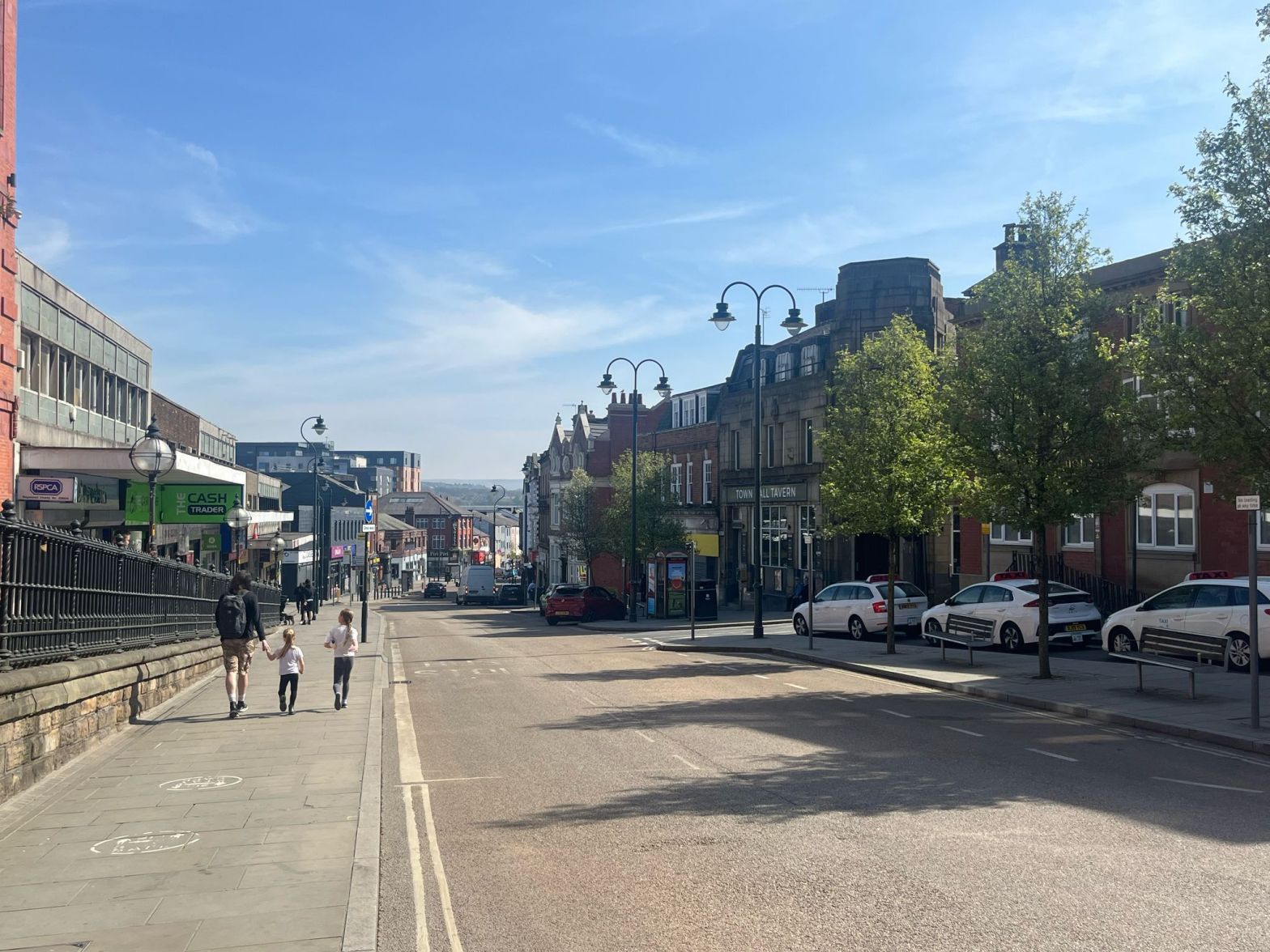
It’s an exciting time for Oldham. Bit by bit, the town centre is being transformed, bringing life, pride and purpose back into the heart of our borough.

The scaffolding may be up, but so is our ambition.

The Market Hall is being brought back to life, restoring a historic gem at the centre of our community. Just down the road, the Old Library, a building rich in Oldham’s story is getting the attention it deserves, soon to be a cultural hub once again. And after a long fight, it’s brilliant to see real progress on a new Oldham Coliseum, giving our town the theatre it deserves (Hoping to be able to share progress pictures on this soon)

On top of this, exciting work with Muse Developments is underway to make town-centre living a reality—attracting people, investment and vibrancy back into Oldham and revitalising our high street.

These aren’t just plans on paper, they’re happening now. Shovels in the ground, bricks being laid, buildings being restored. It is being delivered under Labour leadership in the town and supported by Labour values—local pride, opportunity for all, and investment where it’s needed most.

Sometimes the dots don’t connect for people. But if you walk through Oldham today and look at the progress, know this: this is what delivery looks like. And it’s being done for Oldham, by those who believe in Oldham.

There is always more to do—but we’re on our way.

Breaking down the barriers to apprenticeships and skilled jobs

✅ Streamlining processes for introducing new qualifications & adapting to emerging skills gaps

✅ Establishing Skills England

✅ Better coordination between different areas of education and industry

✅ Ensuring apprentices are best prepared for jobs of the future

✅ Boosting local economic growth and driving-up living standards

The Institute for Apprenticeships and Technical Education (Transfer of Functions) Bill has now passed through parliament and is ready to become law. We have a big reform agenda on skills and technical education to create more good jobs and boost local economic growth.

It was great to be in Oldham College last week to meet with Principal Simon Jordan, be given a tour of the Digital and Creative Faculty, and meet with T-Level Media students with whom I took part in an OC Radio podcast. Thank you for having me and for the great work you all do to help our young people realise their ambitions and reach their potential.

My background is in technical education, attending Oldham College myself, and I know the power it can have in transforming people’s life chances and delivering the services communities need.

I prioritised good jobs at the election for the people of Oldham West, Chadderton and Royton because I want local people to have more opportunities and drive up their living standards. From establishing Skills England, to ending fire-and-rehire, banning exploitative zero-hour contracts, and increasing the National Living Wage rising by £1400.

Work to transform technical education and drive-up living standards is not just being done at a national level. Mayor Burnham’s plan to create an equal alternative to the university route in Greater Manchester called the Greater Manchester Baccalaureate will mean two equal routes at 14 – one academic, one technical.

Our Plan for Change matches people’s desire for change and is working – shown by the fact wages are now rising faster than prices – and these latest reforms will take that progress further.