Statement on developments in Gaza

The suggestions President Donald Trump made regarding the situation developing in Gaza are not shared by the UK government, as confirmed by the Prime Minister recently.
 
Palestinians must be allowed home, and they must be allowed to rebuild.  We should be giving them our upmost support to enable a two-state solution.
 
The Parliamentary Under-Secretary of State Hamish Falconer MP announced that he “spoke with the Palestinian Authority Minister of State for Foreign Affairs Dr Varsen Aghabekian to reiterate our position” on the matter.
 
The news of the ceasefire being secured in Palestine was a significant moment. However, we cannot take our eyes off the end goal of a ceasefire that is obviously sustained. We must be involved in this phase of the changing situation and support the release of the remaining hostages. We must also ensure that desperately needed aid is allowed into Palestine at speed and in the volumes required.
 
With regards to the Early Day Motion 757, Government Ministers are unfortunately unable to sign Early Day Motions due to Parliamentary procedure and convention.
 
I was also unfortunately unable to attend the Westminster Hall Debate on the 12th of February due to prior commitments, however, please be assured that I will continue to support the Foreign Office position as your MP.
 
I have repeatedly met with the Palestinian ambassador to represent the strong feeling in our constituency and offer our support to Palestine at this difficult time. I guarantee that I will continue to monitor the ongoing situation and provide all support I can.

National Apprenticeships Week

The new Labour Government is getting on with the job, and has brought forward plans to break down barriers for young people undertaking an apprenticeship.

I was an apprentice, and I’m proud of it. I left school at 16 and after an initial summer job and training placement in the NHS, I was lucky enough to secure an apprenticeship as a technician. It opened doors for me with a day training each week at Oldham College and then real hands on experience in the workplace.

I know the importance of practical skills and I want to boost opportunities for young people in the same way. And the country needs it!

The national skills gap is a critical issue affecting economic growth and productivity, and I believe a key way to address this gap is through implementing greater skills training for young people that meet the demands of the evolving job market.

Now, apprentices over 19 will no longer need Level 2 English and maths qualifications to complete their course which will enable 10,000 more people to qualify every year.

Throughout my time as an MP, I have repeatedly called for the Government to reflect on the support, resource, and funding we provide to boosting apprenticeships and breaking down barriers for young people.

As early as 2017, I addressed educational attainment in Oldham in Parliament, emphasising the importance of incorporating vocational skills, such as mechanics and joinery, into the curriculum. I believe that young people should be taught practical skills to prepare for various vocations and shouldn’t be restricted narrowly to academic routes. Every young person is different, and pathways into work should reflect this. Apprenticeships widen opportunities through the development of practical skills, hands-on experience, and learning on the job.

They offer a path to a decent life, rewarded with jobs that make the country tick and which offer career progression with good pay.

I believe that employer-led training is the most effective way of meeting our growing skills gap as well as widening participation for young people into the job market. They can be an effective way of readying young people for the world of work, while also offering a meaningful alternative to higher education. I, therefore, welcome the Government’s announcement and will continue to champion vocational pathways.

First edition of my Community Newsletter

Each month I will be publishing a community newsletter on the work we have been doing over the last month for local people in Oldham West, Chadderton and Royton.

In this way constituents can track the progress of the local priorities we put forward at the election in July, and keep up-to-date with our ongoing campaigns.

Head to the link below to sign-up for the first one coming this Saturday! ⬇️⬇️⬇️

https://mailchi.mp/dceee952c38f/sign-up-to-my-monthly-community-newsletter

Children in Temporary Accommodation

“𝙏𝙝𝙚 𝙡𝙖𝙩𝙚𝙨𝙩 𝙧𝙚𝙥𝙤𝙧𝙩 𝙤𝙣 𝙘𝙝𝙞𝙡𝙙𝙧𝙚𝙣 𝙖𝙣𝙙 𝙛𝙖𝙢𝙞𝙡𝙞𝙚𝙨 𝙞𝙣 𝙩𝙚𝙢𝙥𝙤𝙧𝙖𝙧𝙮 𝙖𝙘𝙘𝙤𝙢𝙢𝙤𝙙𝙖𝙩𝙞𝙤𝙣 𝙖𝙧𝙚 𝙚𝙫𝙞𝙙𝙚𝙣𝙘𝙚 𝙤𝙛 𝙩𝙝𝙚 𝙘𝙧𝙞𝙨𝙞𝙨 𝙩𝙝𝙚 𝙘𝙤𝙪𝙣𝙩𝙧𝙮 𝙝𝙖𝙨 𝙗𝙚𝙚𝙣 𝙡𝙚𝙛𝙩 𝙞𝙣 𝙖𝙛𝙩𝙚𝙧 𝟏𝟒 𝙮𝙚𝙖𝙧𝙨, 𝙖𝙣𝙙 𝙩𝙝𝙚 𝙪𝙧𝙜𝙚𝙣𝙩 𝙣𝙚𝙚𝙙 𝙛𝙤𝙧 𝙘𝙝𝙖𝙣𝙜𝙚.”

In Oldham the number of young in temporary accommodation with their family has hit an unacceptable 𝟲𝟵𝟬 children. While much of the accommodation will meet the required standard there is no doubt at all that some are not what we would want for our own families, often single rooms for whole families, some away from primary schools, as well as friends and family support.

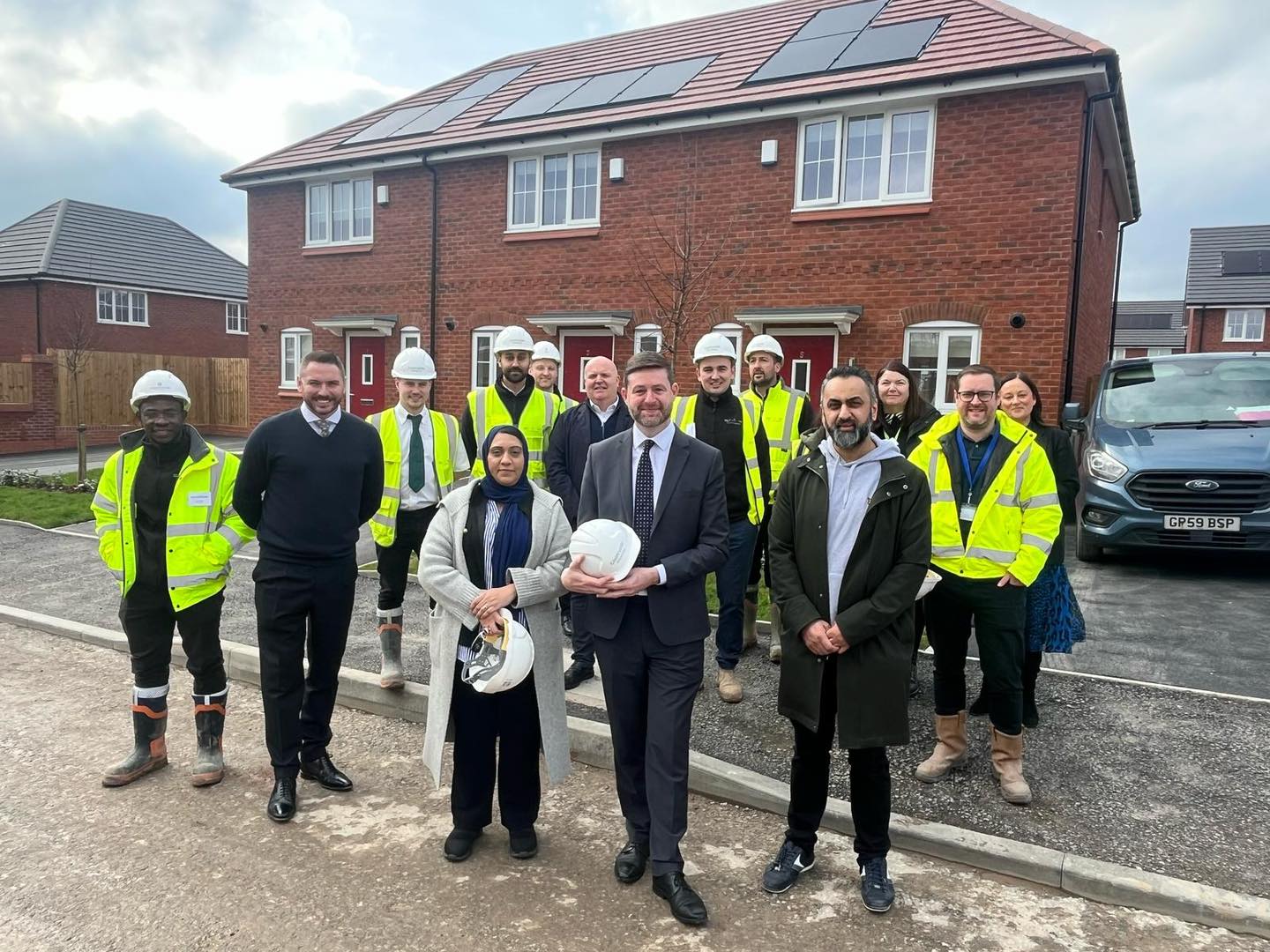
The Labour government has outlined a plan for change to address the housing crisis, reduce reliance on temporary accommodation, and enhance protections for private renters.

📣 Construction of 1.5 million new homes: Labour plans to build 1.5 million homes over the next five years, focusing on social and affordable housing to alleviate shortages contributing to increased temporary accommodation use.

📣 Abolition of Section 21 ‘no-fault’ evictions: The government is moving to end Section 21 evictions, preventing landlords from terminating tenancies without a valid reason, thereby offering tenants greater security and reducing homelessness risks.

📣 £1 billion investment in council housing: Labour has pledged nearly £1 billion in the upcoming budget to accelerate the construction of council houses, aiming to decrease homelessness and lessen the demand for temporary accommodation.

📣 Enhancement of the Affordable Homes Programme: An immediate £500 million boost will be provided to the existing Affordable Homes Programme, expected to deliver up to 5,000 new social and affordable homes. This investment brings Labour’s total commitment to housing supply to over £5 billion in 2025/26.

📣 Reform of the Right-to-Buy scheme: The government plans to reform the Right-to-Buy scheme, allowing councils to retain all sales receipts to reinvest in new social housing, thereby increasing the long-term supply of affordable homes.

It will take more than seven months to turn around 14 wasted years, but we know this is urgent, and the steps taken will help turn the tide.

Places for Everyone: A Plan to Protect Oldham

This week, Oldham Council will hold an extraordinary meeting to debate a motion from the opposition Liberal Democrats that seeks to tear up the Places for Everyone plan for new homes, jobs and sustainable growth.

“𝙇𝙚𝙩’𝙨 𝙗𝙚 𝙘𝙡𝙚𝙖𝙧: 𝙩𝙝𝙞𝙨 𝙬𝙤𝙪𝙡𝙙 𝙗𝙚 𝙖𝙣 𝙖𝙘𝙩 𝙤𝙛 𝙨𝙚𝙡𝙛-𝙝𝙖𝙧𝙢 𝙛𝙤𝙧 𝙤𝙪𝙧 𝙗𝙤𝙧𝙤𝙪𝙜𝙝, 𝙝𝙖𝙣𝙙𝙞𝙣𝙜 𝙖𝙬𝙖𝙮 𝙘𝙤𝙣𝙩𝙧𝙤𝙡 𝙤𝙫𝙚𝙧 𝙙𝙚𝙫𝙚𝙡𝙤𝙥𝙢𝙚𝙣𝙩 𝙖𝙣𝙙 𝙡𝙚𝙖𝙫𝙞𝙣𝙜 𝙪𝙨 𝙖𝙩 𝙩𝙝𝙚 𝙢𝙚𝙧𝙘𝙮 𝙤𝙛 𝙨𝙥𝙚𝙘𝙪𝙡𝙖𝙩𝙞𝙫𝙚 𝙙𝙚𝙫𝙚𝙡𝙤𝙥𝙚𝙧𝙨.”

𝙋𝙡𝙖𝙣𝙣𝙞𝙣𝙜 𝙛𝙤𝙧 𝙊𝙪𝙧 𝙁𝙪𝙩𝙪𝙧𝙚, 𝙋𝙧𝙤𝙩𝙚𝙘𝙩𝙞𝙣𝙜 𝙊𝙪𝙧 𝙃𝙚𝙧𝙞𝙩𝙖𝙜𝙚

Places for Everyone isn’t just a housing strategy—it’s about securing Oldham’s future as a strong, self-reliant town within a growing Greater Manchester. It recognises the need for different types of homes—too long denied to local people.

That means suitable housing for older residents who need to downsize, quality family homes with the amenities people expect, and a properly functioning housing ladder that works for everyone—from first-time buyers to those expanding their home for a growing family, to those needing retirement or apartment living.

Crucially, it follows a brownfield first strategy. We are proud of our industrial legacy, but let’s be honest—it has left behind derelict and underused sites that blight our communities. Regenerating these areas will breathe new life into Oldham, as we saw last week in discussions about our town centre’s future.

At the same time, this plan is vital for protecting our green spaces. Without it, unplanned development could threaten the places we value most.

The plan:

✅ Maximises brownfield land, revitalising our town centres

✅ Protects our green belt from unplanned development

✅ Delivers 11,500 new homes so young families can build a future in Oldham

✅ Integrates new developments into a modern transport network, ensuring our town is fit for the future

These are common-sense priorities—putting Oldhamers first and ensuring our town thrives.

𝙒𝙝𝙖𝙩’𝙨 𝘼𝙩 𝙎𝙩𝙖𝙠𝙚

This plan gives us the ability to shape our own future, to decide where homes are built, and to ensure that development happens on our terms.

But if Oldham withdraws, we lose that control. Stockport took this route, and the result? Developers have overturned local decisions, securing planning permission through appeals, while local communities are left powerless.

I know the significant effort it took—both from local residents and through my own representations over months and years—to safeguard sites like Thornham Old Road and Hanging Chadder. That fight was hard-won, and I don’t want to see these sites or others now safeguarded back on the table with no local say over what happens next.

𝘼 𝙎𝙚𝙣𝙨𝙚 𝙤𝙛 𝘿𝙪𝙩𝙮 𝙏𝙤 𝙊𝙪𝙧 𝙏𝙤𝙬𝙣

Since the original Greater Manchester Spatial Framework was first proposed, I have fought for Oldham’s interests—securing changes to remove unsuitable sites, balancing development with valued green space important to living in a decent community.

𝘼 𝙝𝙤𝙪𝙨𝙞𝙣𝙜 𝙘𝙧𝙞𝙨𝙞𝙨 𝙤𝙣 𝙤𝙪𝙧 𝙙𝙤𝙤𝙧𝙨𝙩𝙚𝙥

I also recognise the difficult choices required to get this right. We can’t just say no to everything—we have a duty to plan for the future.

This week, we learned that the number of children in temporary accommodation in Oldham has rocketed to 680. That is a scandal—a direct result of a broken housing system that fails to provide affordability and security.

Nationally, Labour has committed to tackling the housing crisis, supporting brownfield development, and laying the foundations for 1.5 million new homes across the country over the next Parliament. That means ensuring families in Oldham can stay here, put down roots, and build a future—while also protecting our valued green spaces.

Few would claim the Places for Everyone plan is perfect. Even the council has had to wrestle with difficult compromises. But let’s be clear—ripping up this plan won’t give us more control over development, it will do the exact opposite.

𝙏𝙝𝙚 𝙥𝙚𝙤𝙥𝙡𝙚 𝙤𝙛 𝙊𝙡𝙙𝙝𝙖𝙢 𝙙𝙚𝙨𝙚𝙧𝙫𝙚 𝙡𝙚𝙖𝙙𝙚𝙧𝙨𝙝𝙞𝙥 𝙩𝙝𝙖𝙩 𝙙𝙚𝙡𝙞𝙫𝙚𝙧𝙨 𝙨𝙤𝙡𝙪𝙩𝙞𝙤𝙣𝙨, 𝙣𝙤𝙩 𝙧𝙚𝙘𝙠𝙡𝙚𝙨𝙨 𝙜𝙚𝙨𝙩𝙪𝙧𝙚𝙨 𝙩𝙝𝙖𝙩 𝙧𝙞𝙨𝙠 𝙢𝙖𝙠𝙞𝙣𝙜 𝙩𝙝𝙞𝙣𝙜𝙨 𝙬𝙤𝙧𝙨𝙚. 𝙏𝙝𝙖𝙩’𝙨 𝙬𝙝𝙮 𝙄 𝙬𝙞𝙡𝙡 𝙘𝙤𝙣𝙩𝙞𝙣𝙪𝙚 𝙛𝙞𝙜𝙝𝙩𝙞𝙣𝙜 𝙛𝙤𝙧 𝙖 𝙥𝙡𝙖𝙣 𝙩𝙝𝙖𝙩 𝙨𝙚𝙘𝙪𝙧𝙚𝙨 𝙤𝙪𝙧 𝙛𝙪𝙩𝙪𝙧𝙚, 𝙥𝙧𝙤𝙩𝙚𝙘𝙩𝙨 𝙤𝙪𝙧 𝙘𝙤𝙢𝙢𝙪𝙣𝙞𝙩𝙞𝙚𝙨, 𝙖𝙣𝙙 𝙥𝙪𝙩𝙨 𝙡𝙤𝙘𝙖𝙡 𝙥𝙚𝙤𝙥𝙡𝙚 𝙛𝙞𝙧𝙨𝙩.

Oldham Town Centre: Looking to the Future

Last week, I met with Oldham Council, MUSE, and Homes England to discuss the ambitious plans for regenerating Oldham Town Centre. The focus is clear: breathing new life into our high streets, revitalising key landmarks like Spindles and the Old Town Hall, and delivering quality, affordable homes that will bring people back into the heart of our town.

We’ve already seen major investment transforming the town centre—first with the restoration of the Old Town Hall, then the reopening of the Egyptian Room, and now the near-completion of the new market and events space on the old TJ Hughes site. The refurbishment of the Old Library is also well underway, with the new civic centre set to be based there.

And the progress doesn’t stop there. Over 2,000 new homes are planned, stretching from where the Civic Centre currently stands down to Princes Gate at Mumps. This is a once-in-a-generation opportunity to reshape Oldham for the better.

I know that some people, myself included, will feel a sense of loss with the original Queen Elizabeth Hall and Tommyfield Market making way for these changes, they both hold great memories and are such an important feature of the town. But their legacy will live on, with a new events hall and a fresh, modern market space set to take their place, adding up to boost traders and retailers and restaurants and cafes in and around Parliament Square.

With these developments moving forward—and the much-anticipated return of the Coliseum—Oldham is on the brink of a real transformation. There’s plenty still to do, but the future of our town centre is looking brighter than ever!

Coalfield Communities Debate

I responded to an excellent debate on Coalfield communities in Parliament this week.

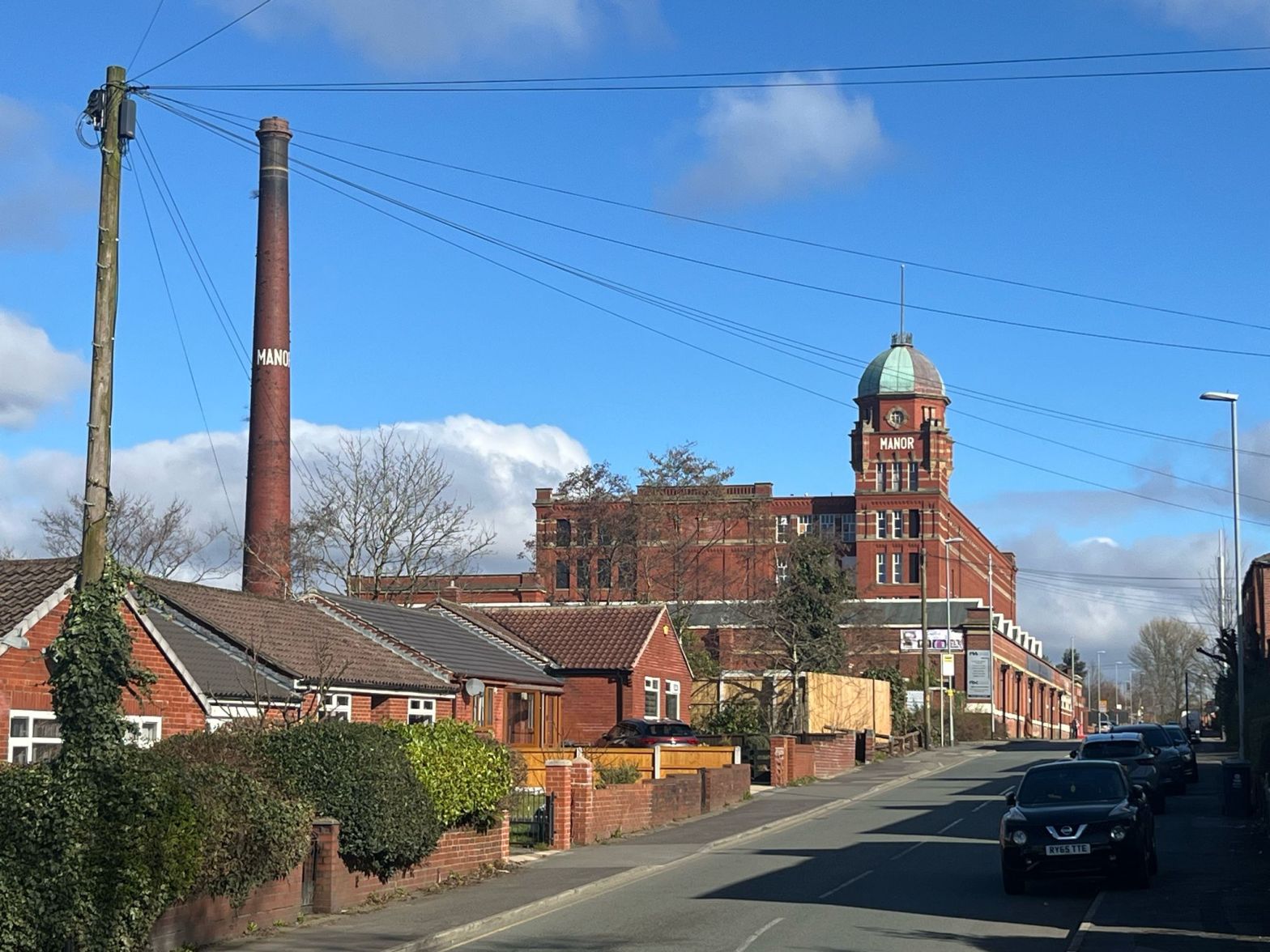
Many industrial communities have links to coal including Oldham where over 150 colliery’s are reported to have been in operation to power the mills and factories which made the town an industrial giant through the 19th and 20th century. Without the work of the colliers there wouldn’t have been the energy to power the Industrial Revolution, and Oldham and large parts of the industrial North would not exist in its current form, our own town taking it’s place as King of Cotton.

You’ll likely know the most local to you, they were fairly plentiful across Chadderton, Royton and Oldham in Hollinwood and Bardsley.

Clearly the use of coal for power and home heating diminished, but I still have memories having it delivered and going to the coal yard at Hunt Lane in Chadderton in the 1990’s.

The debate was focused on the communities where mining was the foundation industry in the main and huge impact once they closed from the mid 1980’s onwards.

𝙒𝙤𝙧𝙠𝙞𝙣𝙜 𝙘𝙡𝙖𝙨𝙨 𝙥𝙚𝙤𝙥𝙡𝙚 𝙙𝙤𝙣’𝙩 𝙬𝙖𝙣𝙩 𝙖 𝙝𝙖𝙣𝙙 𝙤𝙪𝙩, 𝙗𝙪𝙩 𝙬𝙚 𝙖𝙧𝙚 𝙧𝙞𝙜𝙝𝙩 𝙩𝙤 𝙙𝙚𝙢𝙖𝙣𝙙 𝙖 𝙝𝙖𝙣𝙙 𝙪𝙥 𝙖𝙛𝙩𝙚𝙧 𝙨𝙤 𝙡𝙤𝙣𝙜 𝙤𝙛 𝙗𝙚𝙞𝙣𝙜 𝙨𝙩𝙖𝙧𝙫𝙚𝙙 𝙤𝙛 𝙤𝙥𝙥𝙤𝙧𝙩𝙪𝙣𝙞𝙩𝙮 𝙩𝙤 𝙢𝙖𝙩𝙘𝙝 𝙤𝙪𝙧 𝙥𝙤𝙩𝙚𝙣𝙩𝙞𝙖𝙡.

Today the social and economic scars are still visible and MPs are rightly demanding better planned long term investment.

In the end it should go hand in hand with devolution where power, investment and impact is felt locally, ending the wasteful bidding wars for limited pots of money and false promises of levelling up.

Tackling Fuel Poverty

Today the Department for Energy, Security and Net Zero have committed to cut energy bills in private rented homes, tackle fuel poverty and keep money in working people’s pockets.

The Government has pushed for landlords to meet energy efficiency standards rather than make renters fit the bill. This initiative will save renters £240 a year on average on their energy bills, and lift up to half a million households out of fuel poverty, as they will not have to spend so much heating cold, draughty homes.

High energy costs contribute to a situation where lower income households can’t afford to heat their homes. This can have huge knock on health effects, with cold homes presenting health risks particularly to those most vulnerable in society. Being able to heat your home in the winter should not be a luxury reserved for the richest in our society – everyone deserves a warm, decent home.

In Oldham, 15% of households currently present as living in fuel poverty, and this is a figure I am committed to driving down to ensure decent homes and fair renters rights across our borough. I will continue to work with the Government and local businesses to tackle fuel poverty head on, and ensure everyone in Oldham West, Chadderton and Royton has a decent home.