I wanted to give an update on a roundtable held yesterday with Oldham Council and Greater Manchester Police to discuss the use of fireworks from the summer through to Bonfire Night.
We discussed the work undertaken in the run-up to the summer, following a period when many nights were disrupted by late-night fireworks being set off in car parks, as well as the wider impact of fireworks on anti-social behaviour.
Firstly, it’s important to recognise the work already underway. This includes visits to all wedding venues, some of which have now introduced significant deposits that are forfeited if guests set off fireworks; test purchasing by Trading Standards; and targeted hotspot visits by police.
It is clear that a lot is being done, but there was also agreement that more needs to follow.
Locally, this means having a single place to record incidents so that we can build up intelligence about hotspots and offenders. Something simple and easy to use, such as a pin map.
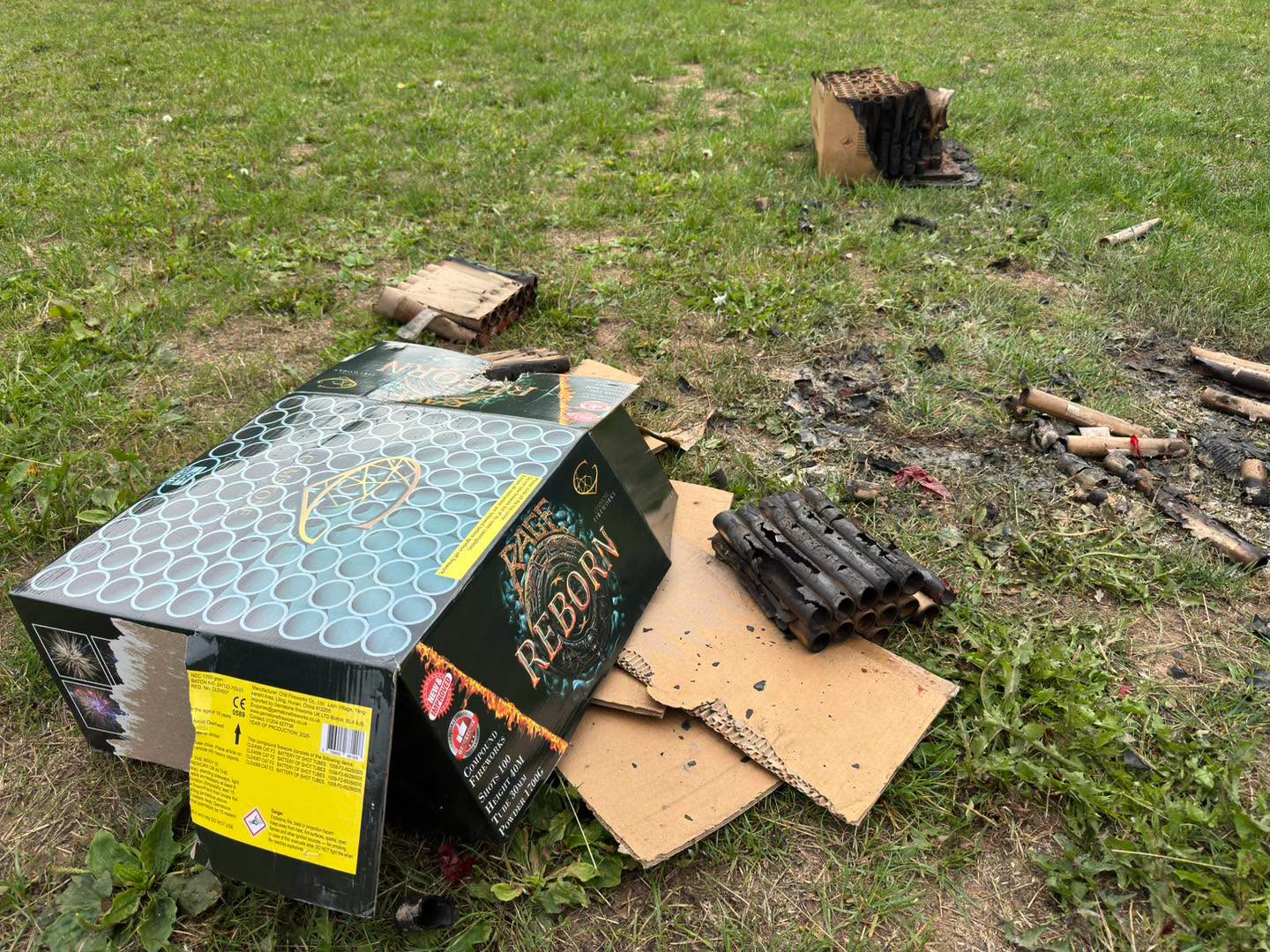
Importantly, this shouldn’t just rely on reports made on the night itself, when locations can naturally be vague. We should also be gathering information in the days afterwards, when parents walking children to school or dog walkers might spot discarded firework boxes and identify where fireworks have been set off.
It also means communicating earlier in the year what action is planned, making people aware of the penalties for breaking the law, and following this up with targeted hotspot visits and wider enforcement.
For instance, the growing problem of groups gathering in car parks should also provide opportunities for police to carry out wider checks for drink and drug driving, uninsured vehicles and other illegal activity.
Nationally, the Government’s consultation on fireworks has now closed. Oldham Council submitted a response calling for ‘silent’ fireworks for private domestic displays and tougher conditions on the sale of more powerful commercial fireworks.
They also highlighted how easily temporary fireworks shops can set up at key points throughout the year, including Bonfire Night, New Year, Diwali and Chinese New Year.
There is a wider issue around the nationally prescribed licensing fees. A new one-year explosives storage licence, where no separation distance is required, costs just £119. This is before considering the cost of administering applications and carrying out follow-up visits. The fee varies depending on the type and duration of licence, but the wider point remains that these costs do not necessarily reflect the resources required to regulate the activity.
An all-year-round fireworks sales licence costs £500. That fee was set in 2004 and has remained unchanged for over twenty years.
We agreed to take this work forward, drawing on the experiences and evidence of local residents over the coming year. We need to make sure that what people experience on the ground leads to meaningful action locally and changes to the national framework where necessary.
I’ll keep constituents updated on progress and thank Oldham Council and Greater Manchester Police for taking the time to meet and talk through the issue in more detail.

