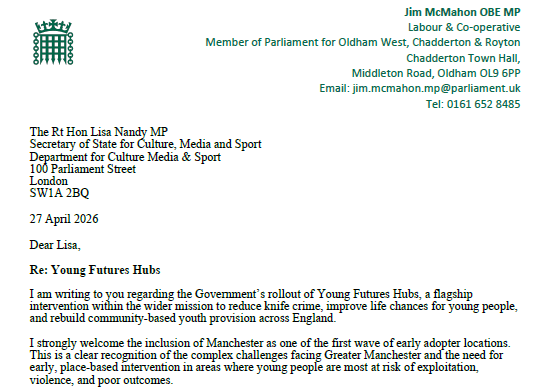
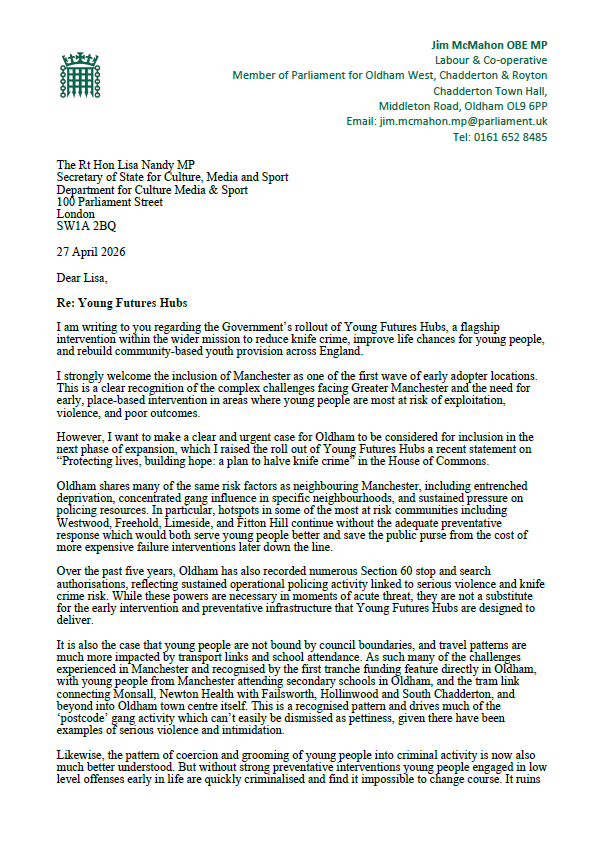
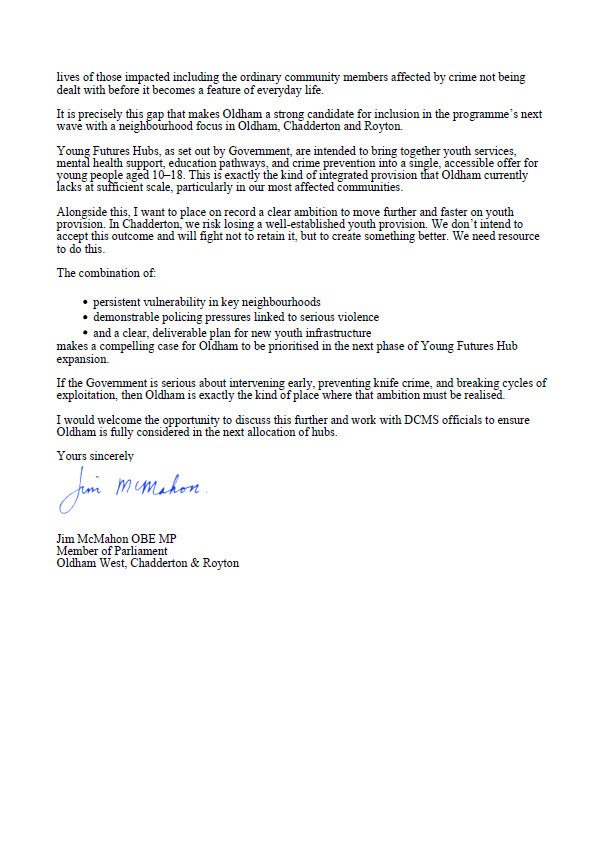
King’s Speech & State Opening of Parliament 2026

Great to be back in Parliament for today’s King’s Speech which set out an ambitious legislative programme of 35 Bills & Draft Bills focused on rebuilding Britain, backing working people, and delivering long-term national renewal after years of instability.

This new parliamentary term will focus on economic resilience, stronger public services, energy security, and restoring trust in politics through meaningful reform; building on successes from the last Parliamentary term such as the biggest upgrade to renter’s rights in a generation, delivering a new deal for working people and reforms to lift almost half a million children out of poverty.

Key measures announced today include:

🏛 Delivering the Hillsborough Law to ensure transparency and accountability for victims & families through a duty of candour for public servants

🗳 The Representation of the People Bill carried over to tighten political finance rules, strengthen our democracy and deliver Oldham-born votes at 16

🔥 Bringing British Steel into public ownership to protect vital home-grown industrial jobs and communities

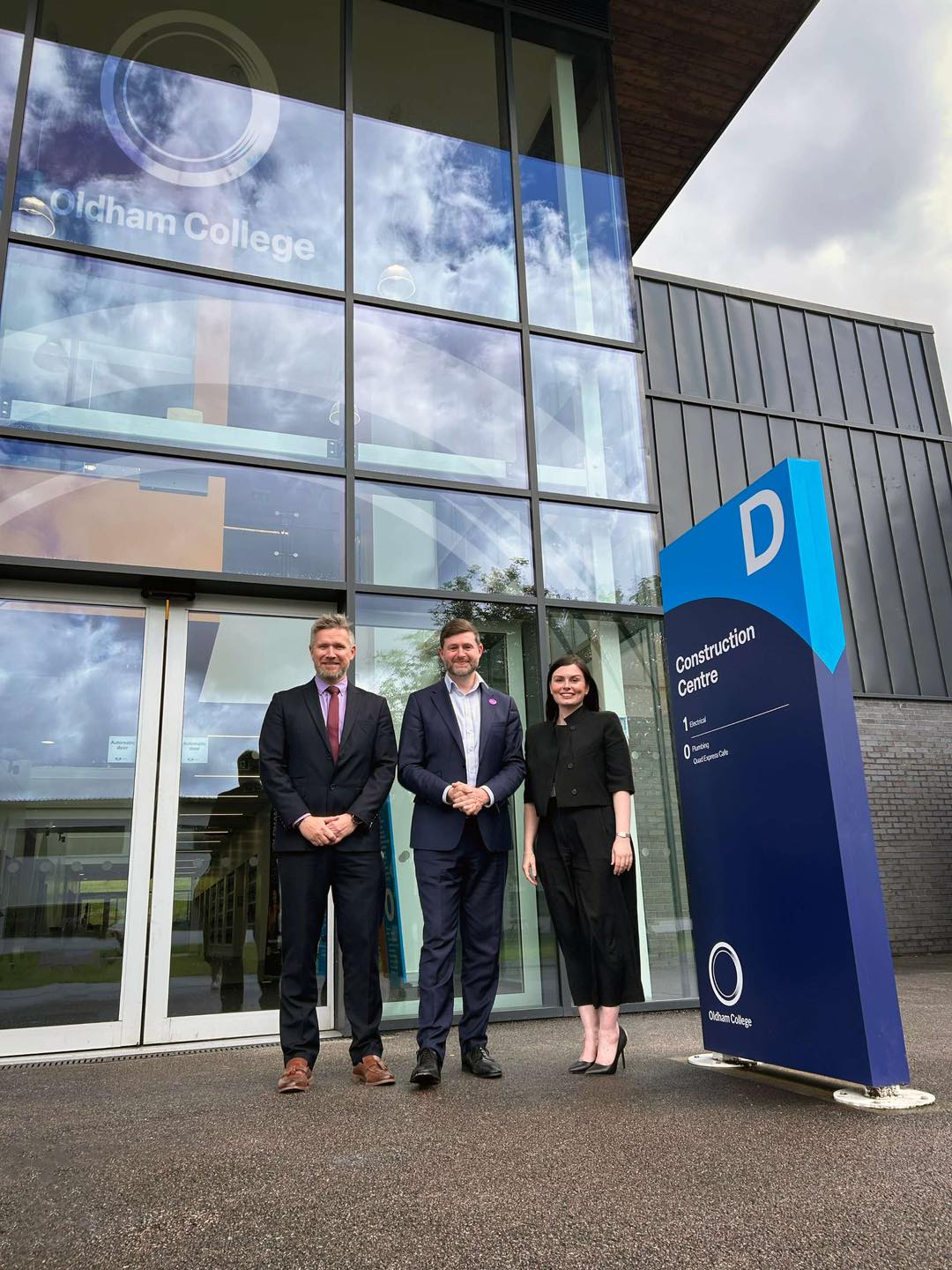
🏗 Expanding apprenticeships and creating more high-quality training opportunities for young people and workers in every community

🏪 A crackdown on late payments to support small businesses and protect cash flow on our high streets

🚖 A Draft Taxi and Private Hire Vehicle Bill to modernise taxi laws to reduce ‘out of area’ taxis as well as to deliver in response to Baroness Casey’s National Audit on Group-based Child Sexual Exploitation & Abuse

💧 Clean-up our water industry and improve the critical infrastructure behind by creating a new, independent, & integrated water regulator through a Clean Water Bill – building on the Water Act already passed by this Labour government

⚡ Strengthening UK energy security, cutting bills for the long term, and accelerate the transition to clean, homegrown power through an Energy Independence Bill

🇪🇺🇬🇧 A European Partnership Bill to deliver our renewed commitment to practical alignment and cooperation with the EU where it benefits jobs, trade, energy security, and national growth

🚑 Implementing our 10-year NHS reform plan focused on reducing waiting lists, moving from analogue to digital, expanding preventative care, reducing bureaucracy, and brining services closer to communities through an NHS Modernisation Bill

🏠 A Leasehold & Commonhold Reform Bill to give homeowners greater rights and fairness while capping ground rents, alongside a Social Housing Renewal Bill to increase long-term investment in social housing

🚄 Delivering Northern Powerhouse Rail turn-up-and-go railway services with up to £45 billion investment, alongside creating the publicly-owned Great British Railways to improve reliability, accountability, and passenger experience across the rail network through a Railways and Passenger Benefits Bill

🚨 A Police Reform Bill to strengthen neighbourhood policing, restore confidence in law & order and getting more out of taxpayer money through efficiency reforms

🎟 Action on ticket touting to protect fans from exploitation and unfair pricing

The work of change continues with a clear focus on delivering security, fairness, and opportunity for communities across the country like Oldham, Chadderton & Royton.

‘The UK’s economy needs a democratic renewal’ by Jim McMahon MP

I have written an article as part of a series brought together by Tribune group of Labour MPs, making the case for a new democratic economy with co-operatives and community ownership at its heart.

The UK’s economy needs a democratic renewal.

The UK’s economy is in need of a democratic renewal. For too long, productivity has stubbornly underperformed, averaging around 0.5% a year since the 2008 financial crisis. Growth has been sluggish too, with GDP expanding at around 1.5% a year since 2010, while business investment remains among the lowest in the G7. The result has been an economy that struggles to generate rising living standards, build resilient public services, or a sense that progress is fairly shared.

At the same time, a culture of short-term extraction has too often trumped the long-term interests of the country. The shadow of privatisation in foundation industries, such as steelmaking, and utilities has failed even on its own terms.

Rather than creating a ‘shareholding nation’, it has given way to a model dominated by private equity and infrastructure funds, too often loading with debt, extracting value, and underinvesting in long-term resilience.

England’s water industry is a textbook example of how not to run a vital public service. Since privatisation, more than £80bn has been paid out in shareholder dividends. From being debt-free on transfer, the sector has accumulated over £70bn in debt, while customer bills have risen sharply and our rivers, lakes and seas are polluted with raw human sewage.

A similar pattern plays out across our economy and in our individual lives as we shift from being owners to consumers. Housing provides a stark example, with home ownership among young adults falling dramatically, with fewer than half of 25–34-year-olds now owning their home, compared with around two-thirds in the early 1990s. Today, around 4.6 million households rent privately, often with little security.

At work as at home, many people generate value they neither control nor share in. The top 10% now hold nearly half of all wealth, while millions of working people remain just a pay cheque away from crisis.

At its core, this is a question of ownership and power: who owns, who decides, and who benefits. Who decides if home is fit to live in? Who decides whether your workplace offers the pay, respect and dignity you deserve? That’s why alongside good regulation, ownership matters.

This is not a new challenge. In the smoke and clatter of the industrial revolution, the Rochdale Pioneers confronted similar forces. They built a different model based on democratic ownership, shared resources and distributed power. Their principle was simple. Contribution and reward should be linked, and when people build value together, they should share in the dividend.

Progressive politics has always been concerned with power: who has it, who does not, and how it is shared. The UK remains one of the most centralised countries in the developed world, and trust in politics has eroded in part because power feels distant and unaccountable. Rebuilding trust requires more than policy tweaks. It means changing who has a stake in the economy itself.

We know the challenges we face. We need a more productive economy, with the benefits of growth felt more by those who create it. We need to build 1.5 million new homes to meet demand, at a time when England alone faces a shortfall of more than 4 million homes and families languish on housing waiting lists. And we need to win public consent for a clean energy transition to secure supply and ensure affordability.

The good news is that we are not starting from scratch. The UK’s democratic economy, made up of co-operatives, mutuals, and employee-owned businesses, is already worth almost £180bn and employs around 1.6 million people. These organisations are more resilient, have higher survival rates, are rooted in communities, and focus on long-term value.

As we approach the centenary of the sister relationship between the Co-operative Party and the Labour Party, there are real signs of progress. There is a commitment to double the size of the sector, including creating a million new owners of community energy through Great British Energy. New rights for communities to protect and buy local assets, alongside increased support for credit unions and community-led housing, show what is possible when government actively backs alternative ownership.

Industry is moving too. The acquisition of the Co-operative Bank by Coventry Building Society, and of Virgin Money by Nationwide and its 16 million members, both widen ownership and ensure value is retained for members rather than extracted for short-term gain. But much more can be done.

First, this does not always require new spending. Co-operative and mutual must be afforded a level playing field, for example reforming the common bond rules for credit unions allows them to scale, serve more people and offer a wider range of services. But if we are serious about growing the co-operative and mutual sector, we cannot allow it to be easily unwound. Asset locks and stronger limits on demutualisation in financial services such as building societies, can help ensure that collective gains are preserved for the long term.

Secondly, we should rethink how government responds to economic failure. Too often, intervention comes too late and at far greater cost. When companies collapse, workers lose jobs and communities are hollowed out. Other countries take a different approach. In Italy, the Marcora Law enables workers to buy out failing firms and turn them into co-operatives, using pooled resources that would otherwise fund unemployment. Many of these businesses survive and repay the investment, creating a virtuous cycle. There is no reason the UK could not adopt a similar model.

Thirdly, we need to reshape the relationship between government and community. Across the country, people already show what shared ownership can achieve. The Co-operative Party’s Community Britain campaign has shone a light on the every-day acts which bind communities together. Community energy projects, local pubs, revived high-street shops, places of worship and community centres all demonstrate how collective action strengthens social and economic resilience. With greater power and targeted resources, Community Britain could go even further.

An economy that works for working people must give those who create value through their efforts real power and a real stake in the future, as part of a determined democratic renewal.

Jim McMahon OBE has been the Labour MP for Oldham West, Chadderton and Royton since 2015 and Chair of the Co-operative Party since 2020.

Statement on the 2026 Oldham Council elections

I am deeply sorry for the wonderful Labour candidates who were unsuccessful. Across Oldham West, Chadderton and Royton, I could not have been prouder of the campaign, character, and commitment shown by those who worked tirelessly, including sitting councillors who have dedicated years of public service to improving our borough.

I also want to recognise the work of the local Labour leadership in attracting investment, regenerating our borough, and rebuilding local services. There is still a long way to go, but the foundations for that progress are firmly in place.

Politics can be unforgiving, but I hope those who stood will remember above all the privilege of public service and the difference they made to people’s lives. They should take real pride in that.

My congratulations to Cllr Fida Hussain in Werneth, Cllr Nazrul Islam in Chadderton Central and to Cllr Junaid Hussain in Medlock Vale on their successful elections. I know they will continue to fight for the local communities they have been elected to serve.

I am pleased the Labour Group has ruled out any working agreement with either Reform or Oldham Group. We cannot endorse or condone the political experiment of splitting the borough based on identity politics and grievance, it is a dangerous path to take, as Oldham knows only too well.

As an MP, I will work constructively with whoever forms an administration where it is in the best interests of Oldham. Equally, I will hold them collectively and individually accountable if they fail to deliver for local people.

Nationally we have to take stock of these election results. Working people have had their trust and patience tested to the limits. It is not that people are impatient for change, they have been patient enough over decades of decline in almost every aspect of life; at work, at home and in the communities they are rooted in. Security, pride and dignity has been compromised and the basics of life are fragile.

Labour, as the party of working people know this and we’ve acknowledged it, but we haven’t been bold enough at meeting the scale of the challenge, or rooting our response in the everyday reality faced by millions of working people.

That has to change. It’s why the Labour Party was founded, and it’s the reason we exist today.

What’s really at stake in Thursday’s elections …

This week’s local elections really matter.

On Sunday Politics yesterday morning I set out what’s actually at stake, not slogans or stunts but whether councils can keep delivering those frontline services people rely on every single day.

Lack of a solid control of the Council would mean chaos on your street.

If Reform take control in areas without the experience or serious plans to run vital services, it won’t be abstract it’ll hit real services such as bin collections, social care, housing, and support for the most vulnerable.

Local government isn’t a protest vote, it’s where decisions get made that shape daily life.

Watch yesterday’s show in full at https://www.bbc.co.uk/iplayer/episode/m002w1k4/politics-north-west-03052026, and most importantly, use your vote this Thursday 🌹

Proud to see Oldham’s schools leading the way …

Great to be at Medlock Valley School yesterday for Kingfisher Learning Trust’s Festival of Learning and seeing friends & colleagues from the Trust as well as GMB, Unison & the NEU.

Seven schools all coming together with one shared purpose: giving every child the best possible start, no matter their background or the challenges they face.

What stood out? The commitment. Staff working across complex special needs and some of the most disadvantaged communities in Oldham, backing each other, sharing ideas and raising the bar.

This is what a strong, values led trust looks like. Collaboration, ambition and real care for every young person.

Thanks for having me and for everything you do day in, day out.

BIG NEWS: No-fault evictions are officially banned!

Today we’ve drawn a line under one of the most unfair parts of our housing system.

Section 21 ‘no-fault’ evictions are officially banned.

For too long, renters have lived with the constant fear of being forced out of their home with little notice and no reason. That ends today.

Over 32,000 households were threatened with homelessness after receiving a Section 21 notice in 2024, the highest number in eight years. Alongside this, the average rent in Oldham has increased by 46% in the previous 5 years alone.

Our landmark Renters’ Rights Act delivers the security and stability people deserve the foundation for putting down roots, raising a family, and building a life.

Other changes in this biggest enhancement in renters’ rights in a generation includes: the 𝗱𝗲𝗰𝗲𝗻𝘁 𝗵𝗼𝗺𝗲 𝘀𝘁𝗮𝗻𝗱𝗮𝗿𝗱 𝗮𝗽𝗽𝗹𝗶𝗲𝗱 to the private rented sector, 𝗲𝗻𝗱 𝗿𝗲𝗻𝘁𝗮𝗹 𝗯𝗶𝗱𝗱𝗶𝗻𝗴 𝘄𝗮𝗿𝘀, 𝗺𝗼𝗿𝗲 𝗿𝗶𝗴𝗵𝘁𝘀 𝗳𝗼𝗿 𝗵𝗼𝗺𝗲 𝗼𝘄𝗻𝗲𝗿𝘀 𝘄𝗶𝘁𝗵 𝗽𝗲𝘁𝘀, 𝗵𝘂𝗴𝗲 𝗮𝗺𝗼𝘂𝗻𝘁𝘀 𝗼𝗳 𝗿𝗲𝗻𝘁 𝘂𝗽𝗳𝗿𝗼𝗻𝘁 𝗲𝗻𝗱𝗲𝗱, and 𝗻𝗼 𝗺𝗼𝗿𝗲 𝗳𝗶𝘅𝗲𝗱 𝘁𝗲𝗿𝗺 𝘁𝗲𝗻𝗮𝗻𝗰𝗶𝗲𝘀.

The law also cements a new Awaab’s Law, named after two-year-old Awaab Ishak who died after being exposed to dangerous mould in his Rochdale home after serious failings by their landlord.

This is about fairness and dignity for families. We know there’s more to do, but today is a big step forward.

Turning election victory into delivery: the 2024-2026 parliamentary session comes to a close …

Parliament was prorogued this week, bringing this almost 2-year long session to a close. It began after the 2024 General Election and has been defined by a clear sense of purpose: change delivered with over 50 bills passed.

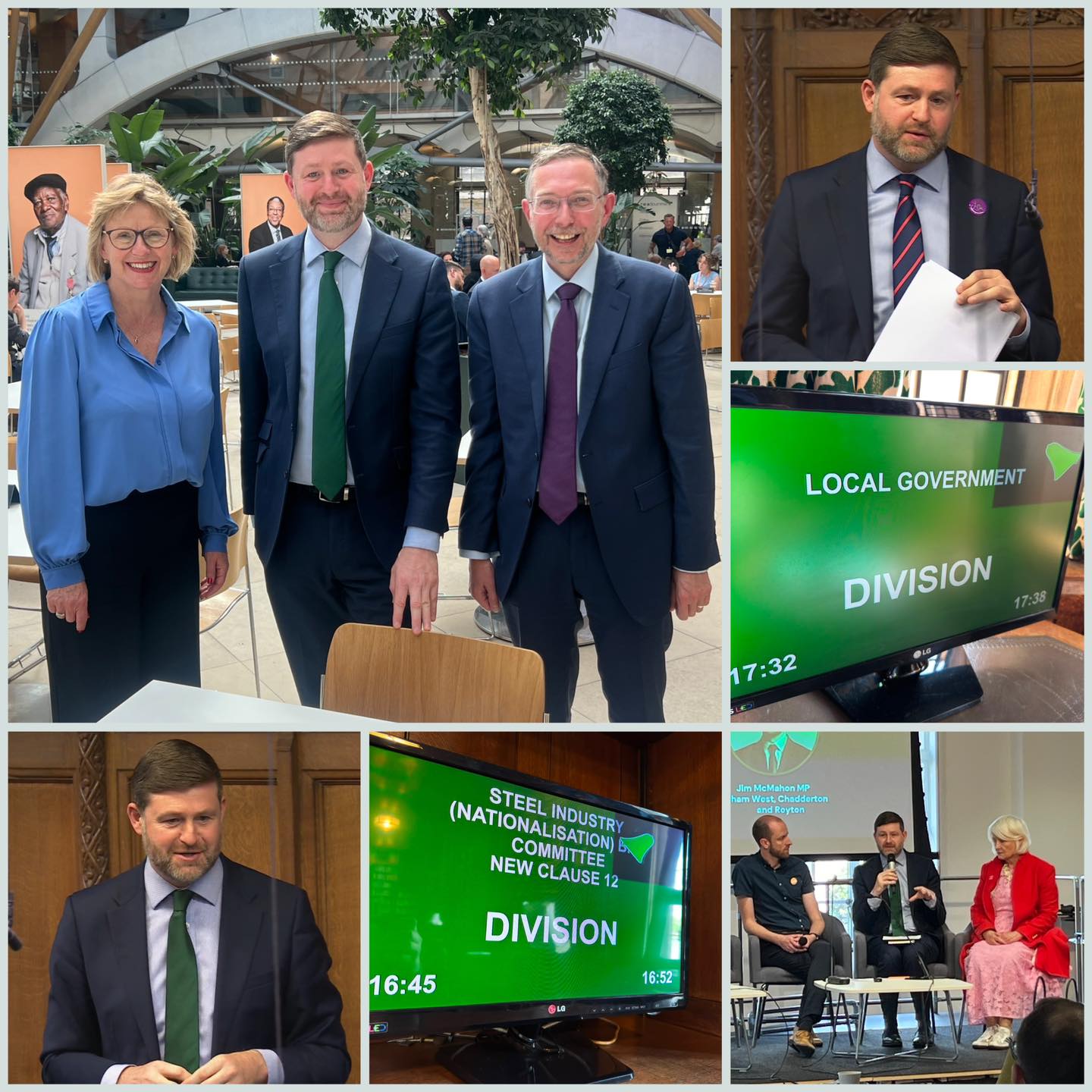
It’s been a busy final few days in Westminster, with late nights and tight votes to get key legislation over the line and make sure critical Bills did not fall at the final hurdle.

Here’s a quick round up.

🔴 𝗧𝗛𝗜𝗦 𝗪𝗘𝗘𝗞 𝗜𝗡 𝗣𝗔𝗥𝗟𝗜𝗔𝗠𝗘𝗡𝗧: 𝗚𝗘𝗧𝗧𝗜𝗡𝗚 𝗕𝗜𝗟𝗟𝗦 𝗢𝗩𝗘𝗥 𝗧𝗛𝗘 𝗟𝗜𝗡𝗘

🚨 𝗖𝗿𝗶𝗺𝗲 𝗮𝗻𝗱 𝗣𝗼𝗹𝗶𝗰𝗶𝗻𝗴 𝗕𝗶𝗹𝗹

A major piece of legislation brought to completion this week, with final votes focused on strengthening neighbourhood policing, giving communities greater confidence in public safety and ensuring the tools are in place to tackle crime effectively.

🐝 𝗘𝗻𝗴𝗹𝗶𝘀𝗵 𝗗𝗲𝘃𝗼𝗹𝘂𝘁𝗶𝗼𝗻 𝗮𝗻𝗱 𝗖𝗼𝗺𝗺𝘂𝗻𝗶𝘁𝘆 𝗘𝗺𝗽𝗼𝘄𝗲𝗿𝗺𝗲𝗻𝘁 𝗕𝗶𝗹𝗹

Passed in the final days of the session, delivering a significant shift of power out of Westminster. New powers for local areas, stronger accountability and communities given a greater say over the decisions that affect them, and powers to protect vital community assets.

📈 𝗣𝗲𝗻𝘀𝗶𝗼𝗻 𝗦𝗰𝗵𝗲𝗺𝗲𝘀 𝗕𝗶𝗹𝗹

Completed this week, with reforms to strengthen oversight, improve security for savers and ensure pension schemes are fit for the future, protecting people who have worked hard and expect stability in retirement.

🏛 𝗛𝗶𝗹𝗹𝘀𝗯𝗼𝗿𝗼𝘂𝗴𝗵 𝗟𝗮𝘄

A landmark moment. This week saw the passage of legislation to establish a legal duty of candour and deliver long overdue accountability, a vital step forward in justice and transparency.

🍎 𝗖𝗵𝗶𝗹𝗱𝗿𝗲𝗻’𝘀 𝗪𝗲𝗹𝗹𝗯𝗲𝗶𝗻𝗴 𝗮𝗻𝗱 𝗦𝗰𝗵𝗼𝗼𝗹𝘀 𝗕𝗶𝗹𝗹

Also brought to completion this week, focused on improving outcomes for children and young people, strengthening safeguarding and ensuring schools are better equipped to support every child to succeed, and stepping up to prevent harm caused by social media.

🌹 𝗔 𝗦𝗘𝗦𝗦𝗜𝗢𝗡 𝗢𝗙 𝗖𝗛𝗔𝗡𝗚𝗘: 𝗪𝗛𝗔𝗧 𝗔 𝗟𝗔𝗕𝗢𝗨𝗥 𝗚𝗢𝗩𝗘𝗥𝗡𝗠𝗘𝗡𝗧 𝗛𝗔𝗦 𝗗𝗘𝗟𝗜𝗩𝗘𝗥𝗘𝗗

✅ The biggest 𝘂𝗽𝗴𝗿𝗮𝗱𝗲 𝘁𝗼 𝗿𝗲𝗻𝘁𝗲𝗿𝘀’ 𝗿𝗶𝗴𝗵𝘁𝘀 in a generation, ending no fault evictions and improving security and standards across the private rented sector.

✅ Driving forward 𝗮 𝗻𝗲𝘄 𝗱𝗲𝗮𝗹 𝗳𝗼𝗿 𝘄𝗼𝗿𝗸𝗶𝗻𝗴 𝗽𝗲𝗼𝗽𝗹𝗲, strengthening day one rights, tackling insecure work, and improving conditions across the labour market.

✅ Abolishing the two-child limit to lift almost 𝗵𝗮𝗹𝗳 𝗮 𝗺𝗶𝗹𝗹𝗶𝗼𝗻 𝗰𝗵𝗶𝗹𝗱𝗿𝗲𝗻 𝗼𝘂𝘁 𝗼𝗳 𝗽𝗼𝘃𝗲𝗿𝘁𝘆 and ensure support better reflects the needs of families, 60% of which who are affected by it are in work.

✅ Planning and infrastructure reforms to 𝗴𝗲𝘁 𝗕𝗿𝗶𝘁𝗮𝗶𝗻 𝗯𝘂𝗶𝗹𝗱𝗶𝗻𝗴 𝗮𝗴𝗮𝗶𝗻, unlocking development while keeping communities at the heart of decisions.

✅ Action taken to 𝘀𝗮𝘃𝗲 𝗕𝗿𝗶𝘁𝗶𝘀𝗵 𝘀𝘁𝗲𝗲𝗹 to secure the future of a strategic national asset, protecting jobs and ensuring long term industrial resilience.

✅ Bringing 𝗯𝘂𝘀 𝘀𝗲𝗿𝘃𝗶𝗰𝗲𝘀 𝗯𝗮𝗰𝗸 𝘂𝗻𝗱𝗲𝗿 𝗴𝗿𝗲𝗮𝘁𝗲𝗿 𝗽𝘂𝗯𝗹𝗶𝗰 𝗰𝗼𝗻𝘁𝗿𝗼𝗹 across the country, improving reliability and putting passengers first by following the lead of Greater Manchester and our Bee Network.

✅ Taking 𝗿𝗮𝗶𝗹 𝘀𝗲𝗿𝘃𝗶𝗰𝗲𝘀 𝗯𝗮𝗰𝗸 𝗶𝗻𝘁𝗼 𝗽𝘂𝗯𝗹𝗶𝗰 𝗼𝘄𝗻𝗲𝗿𝘀𝗵𝗶𝗽 to deliver better value, accountability and performance.

✅ Establishing a 𝗽𝘂𝗯𝗹𝗶𝗰𝗹𝘆 𝗼𝘄𝗻𝗲𝗱 𝗲𝗻𝗲𝗿𝗴𝘆 𝗰𝗼𝗺𝗽𝗮𝗻𝘆 through the GB Energy Act to drive investment, create jobs, deliver energy security and expand community owned energy – a key Co-op Party campaign.

✅ Strengthening regulation and accountability through the Water Act to 𝗰𝗹𝗲𝗮𝗻 𝘂𝗽 𝘄𝗮𝘁𝗲𝗿𝘄𝗮𝘆𝘀, clamp down on sewage dumping, and put the public interest first.

✅ Introducing an 𝗶𝗻𝗱𝗲𝗽𝗲𝗻𝗱𝗲𝗻𝘁 𝗳𝗼𝗼𝘁𝗯𝗮𝗹𝗹 𝗿𝗲𝗴𝘂𝗹𝗮𝘁𝗼𝗿 via the Football Governance Act to protect clubs, fans and the future of the game.

✅ Modernising Parliament by 𝗲𝗻𝗱𝗶𝗻𝗴 𝘁𝗵𝗲 𝗿𝗲𝗺𝗮𝗶𝗻𝗶𝗻𝗴 𝗵𝗲𝗿𝗲𝗱𝗶𝘁𝗮𝗿𝘆 𝗽𝗲𝗲𝗿𝘀 in the House of Lords and strengthening democratic accountability.

This session has shown the difference a Labour government makes.

Parliament is now prorogued until the King’s Speech and the State Opening of Parliament in mid-May, where more change will be delivered.

For now, a moment to take stock and get ready to go again.

Time to put children’s learning before screen time …

We’ve all seen how smartphones are changing childhood, and not for the better.

That’s why I welcome the government’s move to amend the Children’s Wellbeing and Schools Bill to ban mobile phones in schools after accepting recommendations to turn existing guidance into a legal requirement. Classrooms should be places to learn, not scroll.

I’ve said before that the Online Safety Act doesn’t go far enough. This is a step in the right direction, but there’s more to do to properly clean-up social media.

That includes backing the consultation on restricting social media use for under 16s. Social media brings opportunities, but it also brings very real harms with big tech companies too often failing to take responsibility for the platforms they run. Keeping children safe, online and offline, can’t wait.

Let’s get on with it.

👉 Head to https://www.theguardian.com/politics/2026/apr/20/mobile-phones-statutory-ban-schools-england-bill-amendment to see more