
Wishing Muslim constituents across Oldham West, Chadderton and Royton a peaceful and prosperous Eid-al-Fitr as Ramadan draws to a close.
Weekly Ministerial Round-up
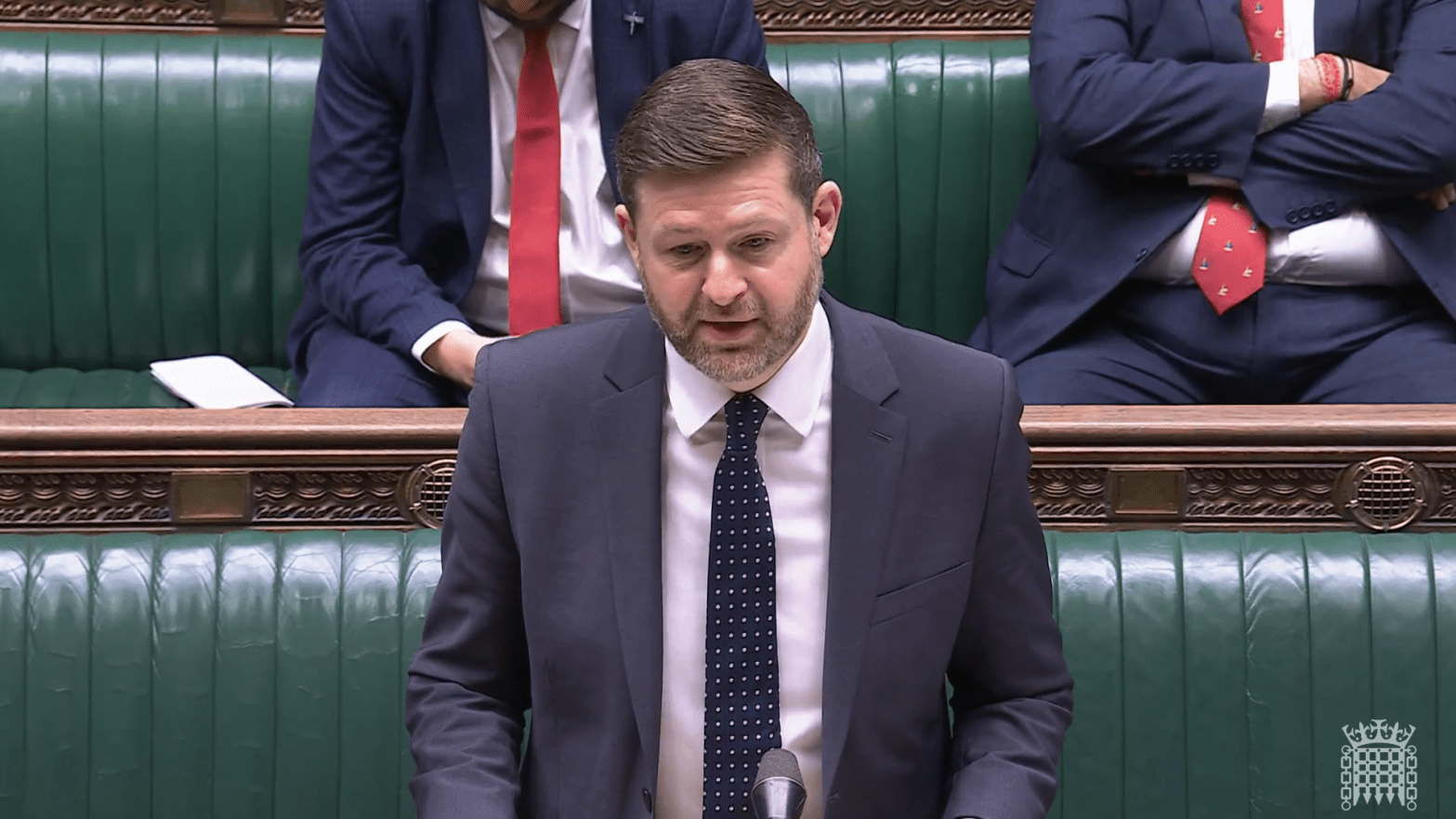
Aside from the usual internal meetings, it was good to talk again in the Chamber during the final stages of the government’s Business Rates Bill, where we considered the amendments put forward by the House of Lords. Once past these final stages and given Royal Assent, this law will provide certainty by introducing a permanent tax cut for retail, hospitality & leisure properties to bake-in relief for the long-term.
Our high streets are more than just a place to do business, they are the backbone of communities across Britain; which is why the measures in this Bill taken together will mean that more than 1 million business properties will be protected from any inflationary increases next year.
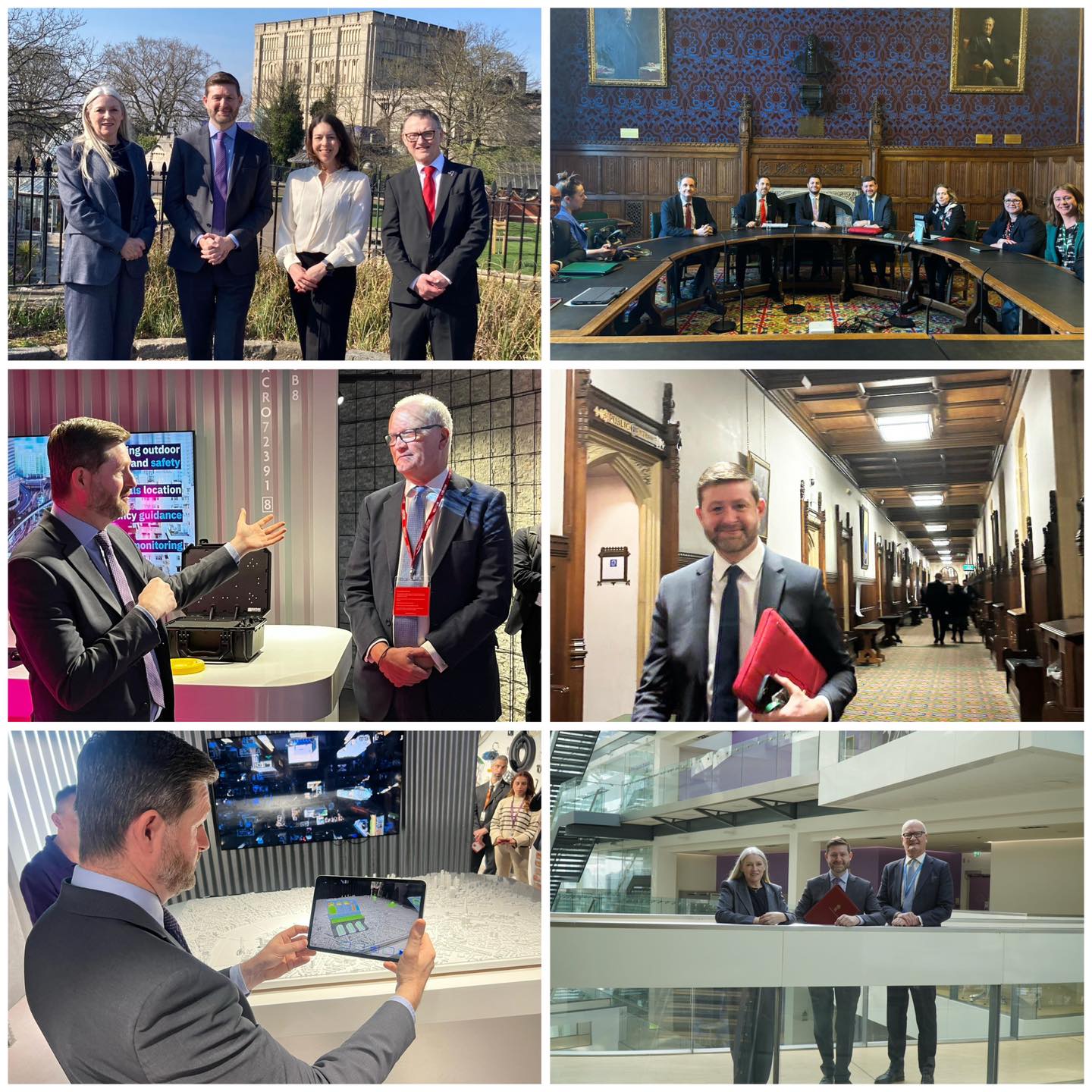
It was great to be in East Anglia on Thursday, spending the morning in Ipswich and the afternoon in Norwich. Met with local and county council leads about the Devolution priority programme, given our plans to devolve powers and funding to Suffolk and Norfolk.
While there, it was great to meet students and see world-leading tech at the DigiTech Centre at BT’s Adastral Park in Martlesham; and also tour of Norwich Castle, a beautiful site which is a real asset to the City.
Took part in a Statutory Instrument debate on proposed changes to elections in local authorities. It is very important we are clear on what the effects are of our plans are so that concerns raised MPs can be addressed. We have been clear on our manifesto commitment to widen and deepen devolution across England, and we have moved at pace to realise the benefits of devolution to more people in more places. We are creating simpler and more clear local government structures alongside transferring power out of Westminster and to communities.
While doing so only when a high bar has been met, we have allowed for some local authorities to postpone elections so that we can help to smooth the transition process and deliver the benefits of Mayoral devolution, supported by strong and stable local government reorganisation, as quickly as possible
The Chancellor gave the government’s Spring Statement to the Commons in Wednesday, one of the two main fiscal events of the year, which set out the government’s plans in response to updated economic forecasts, which showed growth increasing year on year for this Parliament, driven in part of our work to end the housing crisis which has resulted in the highest level of housebuilding in 40 years.
Our Plan for Change is working. Real wages are up, with the National Living Wage rising by £1400. NHS spending is up, with waiting lists falling for the last 5 months in a row. Spending on education is up, with our free breakfast club programme for every primary school ready to be rolled out next month. The Employment Rights Bill is on its way to becoming law, with a once in a generation reform to rights at work to ban fire-and rehire, strengthen sick pay, and end exploitative zero-hour contracts. A local transport revolution is taking place, with the integration of Bee Network ticketing, renationalisation of rail, and an almost £1.7 billion boost for local buses, roads and trams in the North this year.
This is the change we promised and every single one of the policies were pushed through by Labour while being opposed by the Tories and Reform. In an era of global change, we will deliver security for working people and renewal for our country.
And now a later than usual return back to Oldham covering call duty rota for the Friday sitting Private Members Bills….
Tax cut to support high street businesses
We need a fairer business rates system that protects the high street, supports investment and is fit for the present day. High streets are places that bring people together, foster community pride and boost economic activity in our area.
That is why, I have been working in Government to ensure we have a long term plan so that small businesses in retail, hospitality, and leisure pay lower business rates. Through the introduction of new, lower multipliers to achieve this goal, paid for by a higher multiplier on the 1% of properties valued at over £500,000, and typically large warehousing. Critically as well as supporting vital independents, we will take away the business cap which ruled out those with more than one business premises being able to benefit, and therefore safeguarding household names which draw footfall in town centres and on high streets.
We will provide certainty to high streets by making this a permanent tax cut for retail, hospitality and leisure properties. As seen during Covid, the relief to the hospitality sector helped many businesses stay afloat, and we want to continue this support in the face of the cost-of-living crisis.
We have also frozen the small business rates multiplier for 2025-26. Taken together with the small business rates relief scheme, that means that more than 1 million properties will be protected from any inflationary increases next year. 𝐓𝐡𝐚𝐭 𝐢𝐬 𝟏 𝐦𝐢𝐥𝐥𝐢𝐨𝐧 𝐩𝐫𝐨𝐩𝐞𝐫𝐭𝐢𝐞𝐬 𝐩𝐫𝐨𝐭𝐞𝐜𝐭𝐞𝐝 𝐛𝐲 𝐭𝐡𝐢𝐬 𝐆𝐨𝐯𝐞𝐫𝐧𝐦𝐞𝐧𝐭.
Our high streets are the backbone of our community. But unfortunately, the change from on-the-street to online and rising operational costs, have left restaurants and shops no choice but to close. I want to see our high street thriving with enterprise, local businesses and a hub for local people, and these cash steps will work to rejuvenate our town.
Town centres are more than just a place to do business; they are a place for a community to come together – and I will continue to work in government to bring life back to our high street.
What do these three properties have in common?

Born on this day, a remarkable Oldhamer—a historical figure who walked the terraced streets of our town, grew up under the smoke-filled skies and the relentless beat of the cotton mills, and rose to become one of the most senior figures in British politics.
His journey from 𝗗𝗼𝘄𝗿𝘆 𝗠𝗶𝗹𝗹 𝘁𝗼 𝗗𝗼𝘄𝗻𝗶𝗻𝗴 𝗦𝘁𝗿𝗲𝗲𝘁 is one of purpose, and a deep-rooted connection to the working people of Lancashire.
We should celebrate the towns history and how it shaped the country more. This weekend, I’ll share more about his life, and how Oldham shaped him into the leader he became. Until then, here’s a challenge:
Two Oldham clues: his name has made the board of fame in Oldham’s Council Chamber, and his father helped build the ‘New Park’ as a labourer for the Oldham Corporation.
𝙄𝙛 𝙮𝙤𝙪 𝙠𝙣𝙤𝙬, 𝙙𝙧𝙤𝙥 𝙖 𝙡𝙞𝙩𝙩𝙡𝙚 𝙠𝙣𝙤𝙬𝙣 𝙛𝙖𝙘𝙩 𝙞𝙣 𝙩𝙝𝙚 𝙘𝙤𝙢𝙢𝙚𝙣𝙩𝙨!
First Anniversary of the passing of Afsheen Chauhan, Mayoress of Oldham
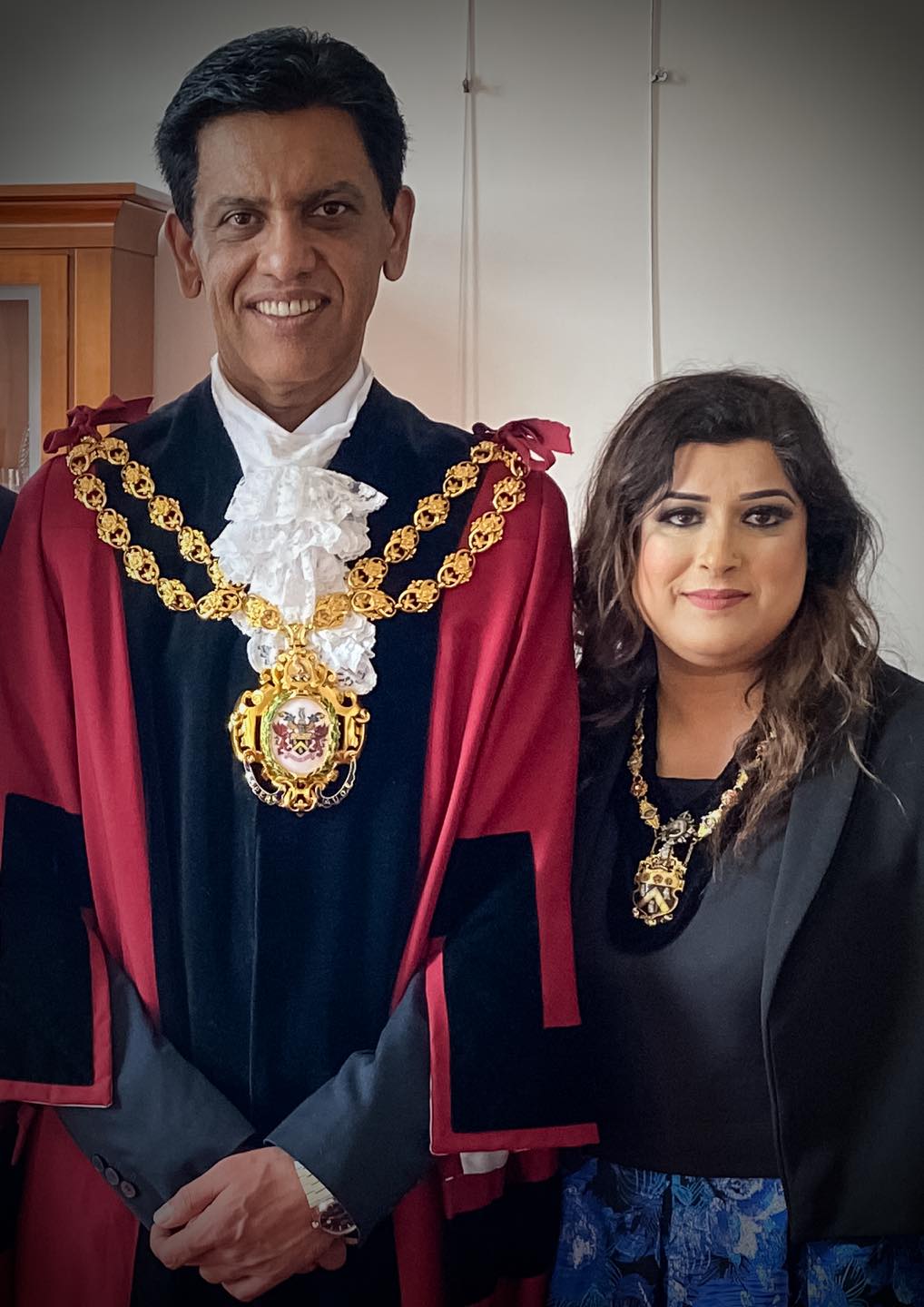
𝗧𝗼𝗱𝗮𝘆, 𝟮𝟳 𝗠𝗮𝗿𝗰𝗵, 𝗺𝗮𝗿𝗸𝘀 𝘁𝗵𝗲 𝗳𝗶𝗿𝘀𝘁 𝗮𝗻𝗻𝗶𝘃𝗲𝗿𝘀𝗮𝗿𝘆 𝗼𝗳 𝘁𝗵𝗲 𝗽𝗮𝘀𝘀𝗶𝗻𝗴 𝗼𝗳 𝗔𝗳𝘀𝗵𝗲𝗲𝗻 𝗖𝗵𝗮𝘂𝗵𝗮𝗻, 𝘄𝗵𝗼 𝘀𝗲𝗿𝘃𝗲𝗱 𝗼𝘂𝗿 𝗯𝗼𝗿𝗼𝘂𝗴𝗵 𝗮𝘀 𝗠𝗮𝘆𝗼𝗿𝗲𝘀𝘀 𝗼𝗳 𝗢𝗹𝗱𝗵𝗮𝗺.
Afsheen died peacefully at home on March 27, 2024, at the age of 45, after a courageous battle with cancer. She is survived by her husband, Councillor Zahid Chauhan, the Mayor of Oldham, and their three wonderful children.
As the extended Mayoral term of office comes to a close in the coming months, it is testament to his public service that even in the most difficult circumstances he has continued to support the Borough, its people, and the many charities who do so much good work.
𝘼𝙨 𝙬𝙚 𝙧𝙚𝙢𝙚𝙢𝙗𝙚𝙧 𝘼𝙛𝙨𝙝𝙚𝙚𝙣 𝙩𝙤𝙙𝙖𝙮, 𝙤𝙪𝙧 𝙩𝙝𝙤𝙪𝙜𝙝𝙩𝙨 𝙖𝙧𝙚 𝙬𝙞𝙩𝙝 𝙕𝙖𝙝𝙞𝙙, 𝙩𝙝𝙚𝙞𝙧 𝙘𝙝𝙞𝙡𝙙𝙧𝙚𝙣, 𝙖𝙣𝙙 𝙖𝙡𝙡 𝙬𝙝𝙤 𝙘𝙤𝙣𝙩𝙞𝙣𝙪𝙚 𝙩𝙤 𝙛𝙚𝙚𝙡 𝙝𝙚𝙧 𝙖𝙗𝙨𝙚𝙣𝙘𝙚. 𝙃𝙚𝙧 𝙠𝙞𝙣𝙙𝙣𝙚𝙨𝙨 𝙬𝙞𝙡𝙡 𝙣𝙤𝙩 𝙗𝙚 𝙛𝙤𝙧𝙜𝙤𝙩𝙩𝙚𝙣.
Affordable Homes Funding for Oldham
Every single person in Oldham and across the country deserves to have a safe, secure place to call home. The reality, though, is that far too many are being locked out of home ownership or are struggling to find a rental property that doesn’t break the bank.
At the end of last year over 7,500 families were on the social housing register in Oldham alone, and I regularly have constituents contacting me, both through casework and on social media, about the difficulty of accessing affordable housing options. This is a crisis that needs immediate action.
That is why I welcome this weeks commitment by the Government of £2bn of funding aimed at delivering up to 18,000 new social and affordable homes across the country.
In Oldham, this funding will enable the Council to fulfil its pledge of 𝟱𝟬𝟬 𝗻𝗲𝘄 𝘀𝗼𝗰𝗶𝗮𝗹 𝗵𝗼𝗺𝗲𝘀 as part of their ‘local solutions to a national crisis’, whilst also providing scope to go even further.
This new investment is not just about building homes; it’s about creating a future where hardworking people and families in Oldham can get on the housing ladder and live with the stability they deserve. This boost to affordable homes, both to buy and to rent, will put homeownership within reach and ensure that working people have the access to a decent home in the place that they are from.
This investment is also part of our broader Plan for Change — a commitment to deliver 1.5 million new homes across the country, 𝘁𝗵𝗲 𝗯𝗶𝗴𝗴𝗲𝘀𝘁 𝗶𝗻𝗰𝗿𝗲𝗮𝘀𝗲 𝗶𝗻 𝘀𝗼𝗰𝗶𝗮𝗹 𝗮𝗻𝗱 𝗮𝗳𝗳𝗼𝗿𝗱𝗮𝗯𝗹𝗲 𝗵𝗼𝘂𝘀𝗶𝗻𝗴 𝘄𝗲’𝘃𝗲 𝘀𝗲𝗲𝗻 𝗶𝗻 𝗮 𝗴𝗲𝗻𝗲𝗿𝗮𝘁𝗶𝗼𝗻. For Oldham, this means the future will bring real change and an end to the housing crisis.
Tackling the crisis head-on, giving people the support they need, and building the homes we desperately need to strengthen our communities right here in Oldham.
Community Iftar
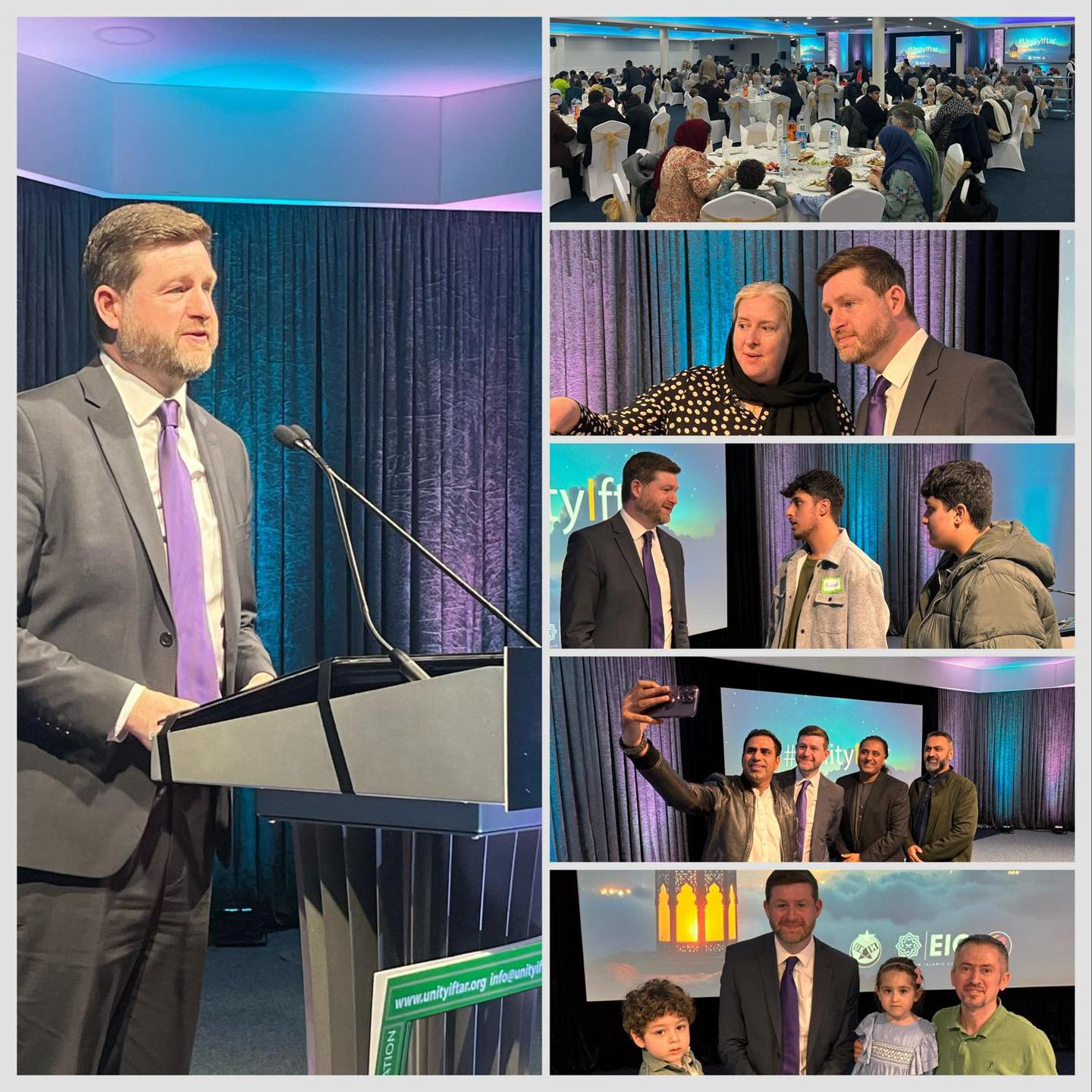
Thank you to the European Islamic Centre and all the volunteers on the night for having me at the the Community Iftar event in Oldham at the weekend and for producing such a special event yet again.
It was great to see so many people of different faiths coming together to share a meal during Ramadan.
The Unity Iftar is a brilliant initiative to celebrate diversity and inclusion, while bringing communities together in such a welcoming atmosphere.
That is what this event is all about – community. Bringing people from all backgrounds together to enjoy an evening together and find time for reflection. It was a thoroughly enjoyable evening and I recommend attending one if you are able.
Weekly Ministerial Round-up

As well as the surgeries MPs provide to constituents ministers also offer the same for MPs in Parliament across parties so they can raise directly local issues they are working on for their own constituents. At a time when there is so much going on with devolution, local government reorganisation and council finances, it’s never a dull session.
There were the usually, and plentiful meetings with pension fund pools, other government departments, and further work on the English Devolution Bill preparations.
I was pleased to join a parliamentary reception hosted by the Special Interest Group of Municipal Authorities (SIGOMA) who have been pushing for reform of the funding formula government to deliver the sustainable long-term funding required, and they have welcomed the inclusion of deprivation in the funding of councils and the move to the first multi-year settlement in a decade.
The work they do is as close to a technical college for councillors and councils you can find. Insight, evidence, and all drawn from on the ground experience. They make a strong case for reform.
And on council funding, it was on to an “Adjournment Debate” on council tax reform. This government is determined to put councils on a sure financial footing for the long term so that local people get the high-quality frontline public services they deserve.
I committed to working in partnership with local government and I’ve followed that through with regular engagement.
This week that included meetings with the County Council Network (CCN) and District Council Network (DCN) as well as the Local Government Association (LGA) Labour Group meeting with councillors and local leaders on Thursday, before addressing and taking questions from the cross-party LGA Councillors Forum.
It is very important to this government that local leaders views are heard on the reforms we are making with English devolution and local government reorganisation since they know their areas better than anyone because they have skin in the game. We will continue to keep up this engagement every step of the way.
The week was topped by a visit to Runcorn for the by-election where we had great weather matched by the reception from voters, and little wonder with a great candidate in Karen Shore. 
 Jim McMahon OBE MP